Someday: The Philippines - Could warm weather, English access, and lower daily costs fit your move?
Moving to the Philippines from the US may offer warm weather, broad English access, and lower daily costs. Here is what the fit really asks of you.

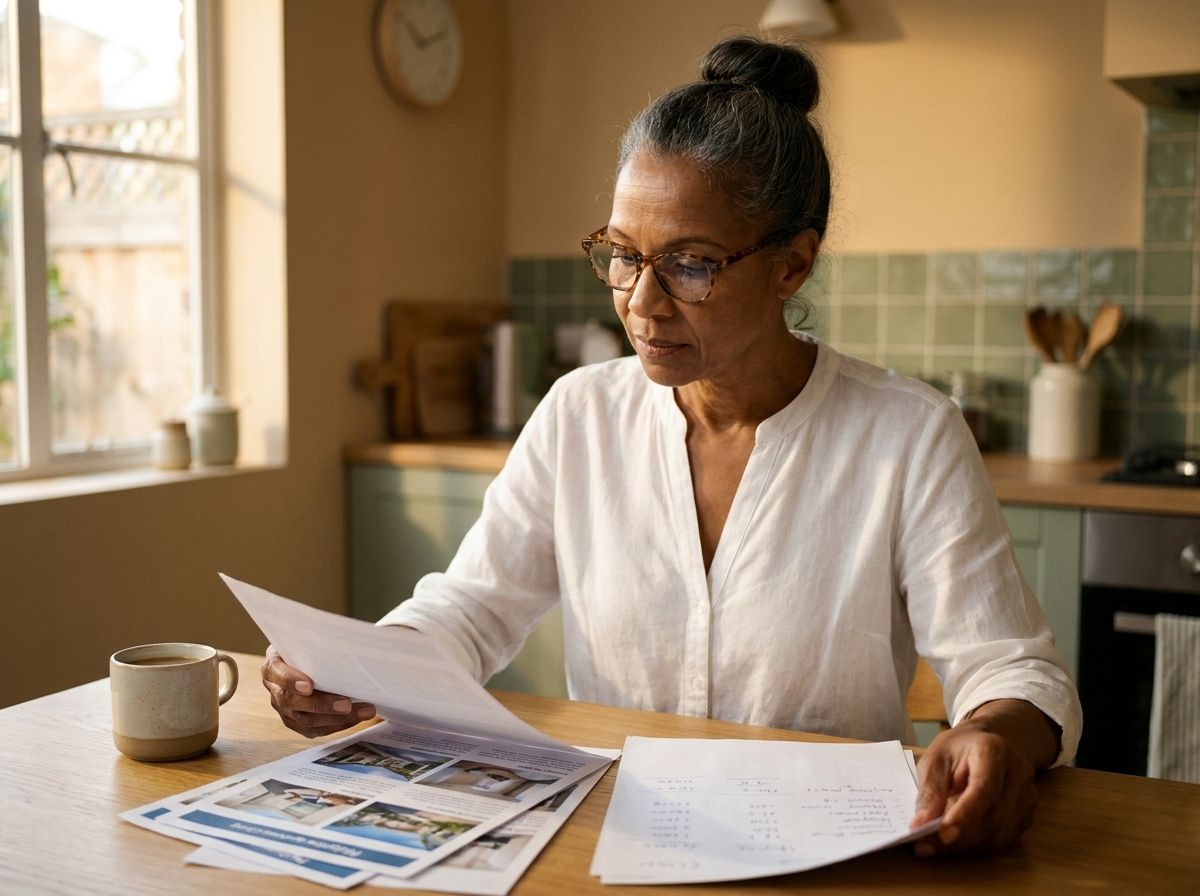
At 9:15 on a rainy Tuesday, Maya Camp is standing in her kitchen with one hand on a coffee mug and the other scrolling through apartment listings in Cebu. Moving to the Philippines from the US can fit Americans who want warm weather, familiar English access, and a lower day-to-day budget, but the right city, visa route, healthcare plan, and income source matter more than the postcard.
The idea often starts this way. You're tired of paying a large rent for a place you barely enjoy, tired of planning your whole week around the weather forecast, and curious whether your money could buy more breathing room somewhere else. Then a practical thought cuts through the daydream: Could I actually live there, not just visit?
That question deserves a calm answer. The Philippines may suit you if you can handle tropical weather, uneven infrastructure, busy urban centers, and a little more planning around healthcare and paperwork. It may not suit you if you need cool seasons, highly predictable public services, or a quiet home within walking distance of everything.
What daily life in the Philippines might feel like
Warm weather is not a small detail. It changes what you wear, how often you run the air conditioning, how you plan errands, and whether you can tolerate a power interruption or a heavy rainstorm without losing your patience. Some people feel more alive in that climate. Others discover they've been romanticizing humidity from the comfort of an air-conditioned hotel room.
English access can make the transition easier. Filipino and English are official languages, and English is widely used in schools, business, government, healthcare, signs, and service work. You will still hear regional languages and Filipino in ordinary conversation. You can get through many practical tasks in English, but learning a few Filipino phrases will help you move through daily life with more ease and respect.
Your routine may look different depending on where you settle:
- Metro Manila offers more hospitals, offices, schools, shopping, and international connections, but traffic, noise, flooding, and higher rents can wear you down.
- Cebu City has a large international community, strong private healthcare options, nearby beaches, and a busy urban core, though traffic and construction are part of ordinary life.
- Iloilo, Dumaguete, and similar smaller cities may offer a slower pace and lower housing costs, but you may have fewer specialist services and direct flight choices.
- A provincial or island location can give you more space and a lower rent, while internet reliability, transportation, and emergency care require closer checking.
The best location is rarely the cheapest one. It is the place where your normal Tuesday works. Check the route to a grocery store, the nearest hospital, your internet options, the heat inside the apartment, and how long it takes to reach an airport or government office.
You may also need to reset your idea of convenience. A delivery app can make dinner easy, but a simple government errand may involve several visits and a folder full of documents. A low monthly rent can come with a generator fee, unreliable water pressure, or a long ride to the area where you actually need to be.
Why does English access matter when moving abroad?
English access reduces friction during important tasks, especially when you are setting up housing, banking, medical care, and immigration paperwork. It does not remove cultural differences or guarantee that every official process will feel simple.
Language is one reason Americans consider the Philippines seriously. You can ask a pharmacist about a prescription, talk with a landlord, and read many official instructions without starting from zero. That is a real advantage when you are already managing homesickness, unfamiliar streets, and the small embarrassment of not knowing which counter to visit (everyone has that moment, by the way).
Still, English access is not the same as cultural fluency. People may communicate in English while carrying different expectations around time, negotiation, family obligations, and customer service. You will have fewer misunderstandings if you slow down, ask politely, and confirm details in writing.
The cost of living in the Philippines needs a personal budget
The cost of living in the Philippines can be lower than in many US cities, especially for local food, household help, transportation, and some services. Housing varies sharply. A modern apartment in a central district, near an international school or a major hospital, may cost far more than a simple home outside the city.
Crowdsourced cost databases such as Numbeo can give you a starting range, but they are not a personal budget. Local listings, expat groups, and recent conversations with residents can show you what your preferred neighborhood actually costs. Prices also shift by city, building, season, and whether the landlord expects rent paid in advance.
Build your estimate around these categories:
- Housing: rent, association dues, deposits, furnishings, air conditioning, and repairs.
- Household bills: electricity, water, mobile service, home internet, and backup power needs.
- Food and transport: local markets, imported groceries, ride-hailing, fuel, parking, and occasional domestic flights.
- Health and protection: private insurance, out-of-pocket care, prescriptions, evacuation coverage, and an emergency reserve.
- Paperwork and travel: visa extensions, document copies, transportation to offices, flights home, and professional advice when needed.
A single person who rents a modest apartment and eats mostly local food may spend much less than they would in a major US city. A family paying for private school, a larger apartment, imported products, frequent flights, and private medical care may find the gap much smaller.
The electricity bill deserves special attention. A cheap apartment with poor insulation can get expensive fast during hot months. Ask for recent electric bills before you sign. If the landlord cannot provide them, treat that as missing information rather than a harmless gap.
Your income source matters as much as your spending. If you receive Social Security, a pension, investment income, or remote earnings, check how exchange rates affect your monthly margin. A budget that works at one exchange rate may feel tight six months later. Keep a US-based emergency account and avoid making every financial decision in the local currency alone.
Try a trial budget before you move. Use your expected monthly income, then subtract a realistic rent, utilities, private healthcare, flights home, visa costs, and a repair fund. If the plan only works when nothing goes wrong, it is not ready yet. That is not failure. It is useful information while you still have choices.
Philippines visa options for Americans
Philippines visa options for Americans depend on your purpose, age, family connections, income, and intended length of stay. Rules and fees can change, so check the Philippine Bureau of Immigration and the nearest Philippine embassy or consulate before booking a one-way flight.
For many Americans, the initial visitor route is the simplest way to explore the country. US passport holders are generally admitted without a visa for a short visit, often up to 30 days, when they meet entry requirements such as a valid passport and onward or return travel. You may be able to request extensions through the Bureau of Immigration, but an extension is not the same as permanent residence.
A visitor status may work for research trips or a gradual trial. It is not a substitute for permission to work locally. If you plan to earn money from a Philippine employer, operate a local business, study, retire, or join a spouse, ask about the status designed for that activity.
Common routes Americans investigate include:
- Visitor entry with lawful extensions for a temporary stay, subject to current Bureau of Immigration rules.
- The Special Resident Retiree's Visa, often called SRRV, for qualifying applicants who meet age, deposit, and other program requirements. The program has had rule and fee changes, so check the Philippine Retirement Authority directly.
- A 13A non-quota immigrant visa for a foreign spouse of a Filipino citizen, when the applicant meets the requirements and keeps the marriage documentation current.
- Employment, investor, or student routes for people whose work, business investment, or education is based in the Philippines.
Former Filipino citizens and some spouses or children of Filipino citizens may have different options. The Balikbayan privilege can apply to eligible former Filipino citizens and certain accompanying family members, but it is not a universal long-term residence path for every American visitor.
Before you choose a route, write down the answer to each of these questions:
- What will you do for income while you are there?
- How long do you want to stay during your first year?
- Do you have a Filipino spouse or family connection?
- What proof of funds, health documents, police records, or civil documents might the route require?
- Where will you complete extensions or renewals, and how much travel will that take?
Do not book a permanent move around a visa rumor from a social media post. Immigration rules have details that matter, and the cheapest apparent route may not match your actual plans. A local attorney or licensed immigration professional can be worth the cost when your status, marriage, business, or retirement income is involved.
SafeHavenGuide can help you compare visa guidance, housing costs, monthly household expenses, and move obligations while you keep the official immigration sources in charge of current rules. The point is not to turn a country into a score. It is to see where your plan has gaps.
The parts that deserve an honest look
The Philippines can be generous and welcoming, but it is not a lower-cost version of the United States. You may have more help with household tasks and food, yet less predictability around infrastructure. You may find warm community connections, yet miss old friends badly when a family emergency happens back home.
Healthcare is one area to investigate before you move. Major cities have respected private hospitals, but access varies outside urban centers. Medicare generally does not pay for routine care abroad, so you need a plan for private insurance, direct payment, or both. Ask whether a policy covers preexisting conditions, hospital admission, evacuation, and treatment outside your city.
Natural hazards also deserve a place in your plan. The Philippines experiences typhoons, flooding, earthquakes, volcanic activity, and periods of extreme heat. Your housing search should include drainage, building condition, flood history, generator access, and a clear route to higher ground or a hospital when relevant.
Internet access can be strong in many urban areas, but do not assume one connection is enough if your income depends on video calls or large file transfers. Ask about two providers, mobile backup, and power interruptions. Remote work becomes much less romantic when your client is waiting and your router has become an expensive blinking ornament.
Families need to look beyond rent. Private schools can make a move much more expensive, while local school choices may raise questions about curriculum, language, transportation, and admissions. Older adults may care more about hospital proximity, elevators, walkability, and whether someone can help during recovery from an illness.
You are allowed to want a softer life and still take these issues seriously. Caution does not cancel hope, it gives hope a structure that can survive a bad month.
A practical research trip plan
If you can visit before moving, stay long enough to experience ordinary inconveniences. A resort week cannot answer questions about rent, traffic, laundry, groceries, or a Tuesday power outage.
Use a research trip to:
- Stay in the neighborhood where you might actually rent, not only in a hotel district.
- Visit two hospitals, a grocery store, a market, and a government office.
- Test mobile data and home internet at the hours you expect to work.
- Ask for a written rental estimate that includes deposits, association fees, utilities, and lease terms.
- Take the route from the airport to your possible home during a busy period.
- Speak with Americans and local residents, then compare what each group says about the same area.
Keep notes on how your body feels. Are you sleeping? Are you irritated by the heat? Do you feel isolated after the novelty fades? Your reaction is data, not a character flaw.
A trial stay also lets you test your spending. Buy groceries, take local transportation, pay for laundry, see a doctor or dentist if appropriate, and price the flight you would take home. You will learn more from those small transactions than from another dozen videos about beach life.
A move can be gradual and still be real
You do not need to decide between staying in the US forever and moving to the Philippines next month. Many people begin with a research trip, then a longer stay, then a lease that does not lock them into a life they have not tested.
Create a simple decision page with four columns:
- What attracts you: warm weather, English access, lower costs, community, or a different pace.
- What you need: reliable internet, private healthcare, school access, airport connections, or a certain monthly income.
- What you will test: neighborhoods, visa routes, electric bills, hospitals, transportation, and social life.
- What would stop the move: an income gap, an unsuitable visa, unsafe housing, poor medical access, or a budget that depends on perfect exchange rates.
Then choose one small action for this week. Download a free country pack, price three apartments in one city, read the current Bureau of Immigration guidance, or take the six-question SafeHavenGuide quiz at /preview. The quiz does not require signup and returns three country matches with a cost figure, which can help you compare the Philippines with alternatives instead of treating one appealing idea as a final answer.
You may have been carrying this dream quietly for years. Maybe you have mentioned it only after someone else brings up retirement abroad. Maybe you have a family member who thinks it is reckless, or a spouse who likes the weather but worries about hospitals. Those concerns do not mean the dream is foolish. They mean the dream needs room for an honest conversation.
The Philippines could give you more warmth, more language access, and more room in a monthly budget. It could also ask you to accept humidity, paperwork, traffic, storms, and a different pace of getting things done. You are not behind because you need time to sort through both sides.
Write down the life you want on an ordinary Wednesday. Then price that life in one Philippine city, not in an imaginary country made from vacation photos. Keep the questions. Let the answers change your plan. That is how someday becomes a move you can actually live with.
FAQ
Is the Philippines affordable for Americans?
It can be, especially for local food, transportation, and some services, but housing, private healthcare, school fees, imported goods, and flights can raise the monthly total. Build a city-specific budget around your own household rather than relying on a national average.
Can Americans retire in the Philippines?
Some Americans investigate the Special Resident Retiree's Visa, while others begin with visitor status or qualify through family connections. Age, deposits, income, health documents, and program rules apply, so confirm current requirements with the Philippine Retirement Authority and Bureau of Immigration.
How long can a US citizen stay in the Philippines?
US citizens are generally admitted for a short visa-free visit, often up to 30 days, when they meet entry conditions. Extensions may be available, but the length, fees, and process can change, and a visitor stay does not automatically grant work or permanent residence rights.
Is English widely spoken in the Philippines?
English is an official language and is widely used in education, business, healthcare, government, and tourism. You can handle many practical tasks in English, but regional languages and Filipino remain part of everyday life, so basic local phrases and patience will help.
Join the conversation
Subscribe to comment
Join SafeHavenGuide's newsletter to leave a comment and get new posts in your inbox.