Could Malta fit your move? An American planner's field guide to island life
Before moving to Malta from the US, test the island against your budget, health needs, work plans, neighborhood habits, and residence route.
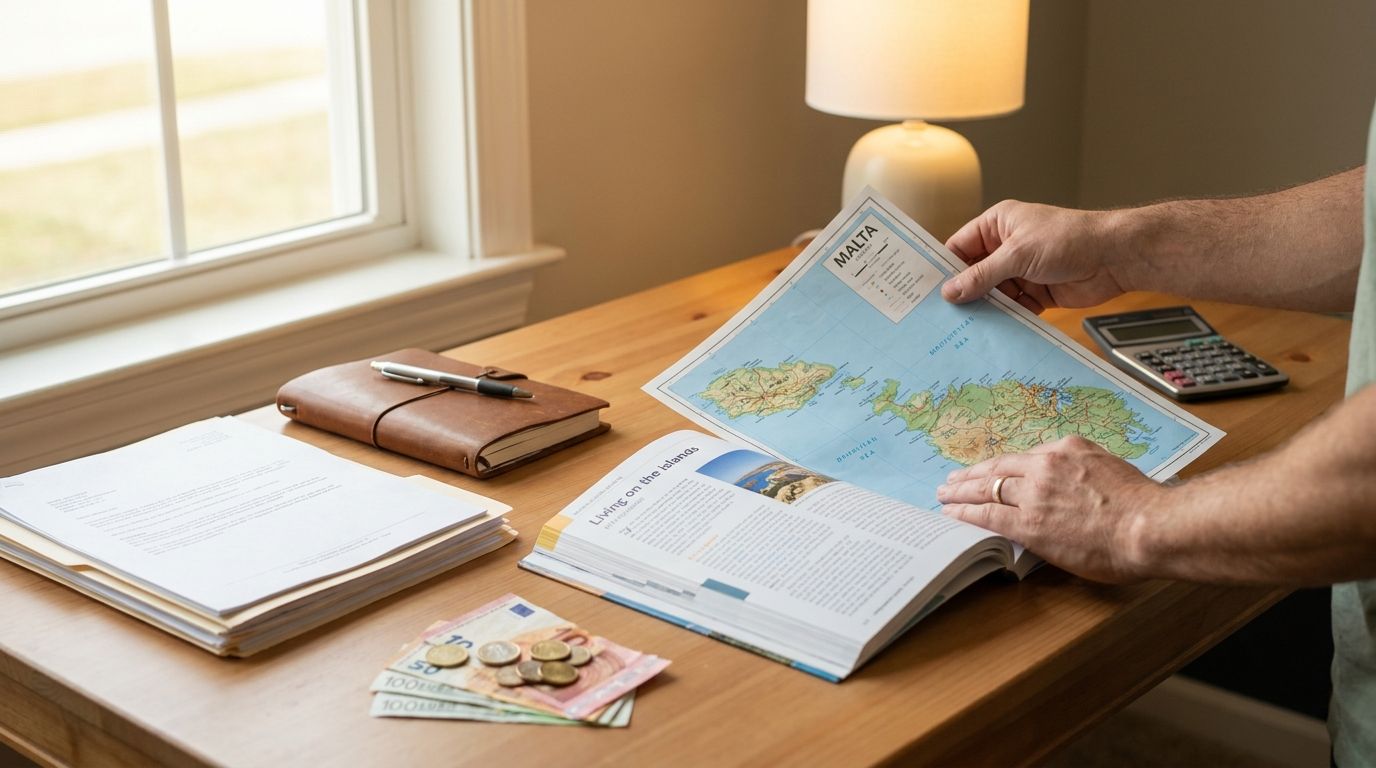
At 7:20 on a weekday morning in Gzira, a bus noses through traffic while a bakery worker slides warm pastizzi into a paper bag. The apartment above the shop is quiet enough for one more hour, but the rent is not. This is the part of moving to Malta from the US that holiday photos skip.
Malta can work well for an American who wants a warm climate, widely used English, European access, and a compact daily routine. It can be a poor fit if you need a large home, a simple local work permit, a specific medical specialist, or a low-cost coastal address. Your answer depends less on the postcard and more on your normal Tuesday.
This guide gives you a practical way to test Malta. It covers the Malta cost of living for Americans, transport, neighborhood safety, Malta healthcare and safety, taxes, and Malta residency options. The figures are planning ranges, not quotes. Malta changes, landlords change, and apparently even the price of a decent parking space has opinions.
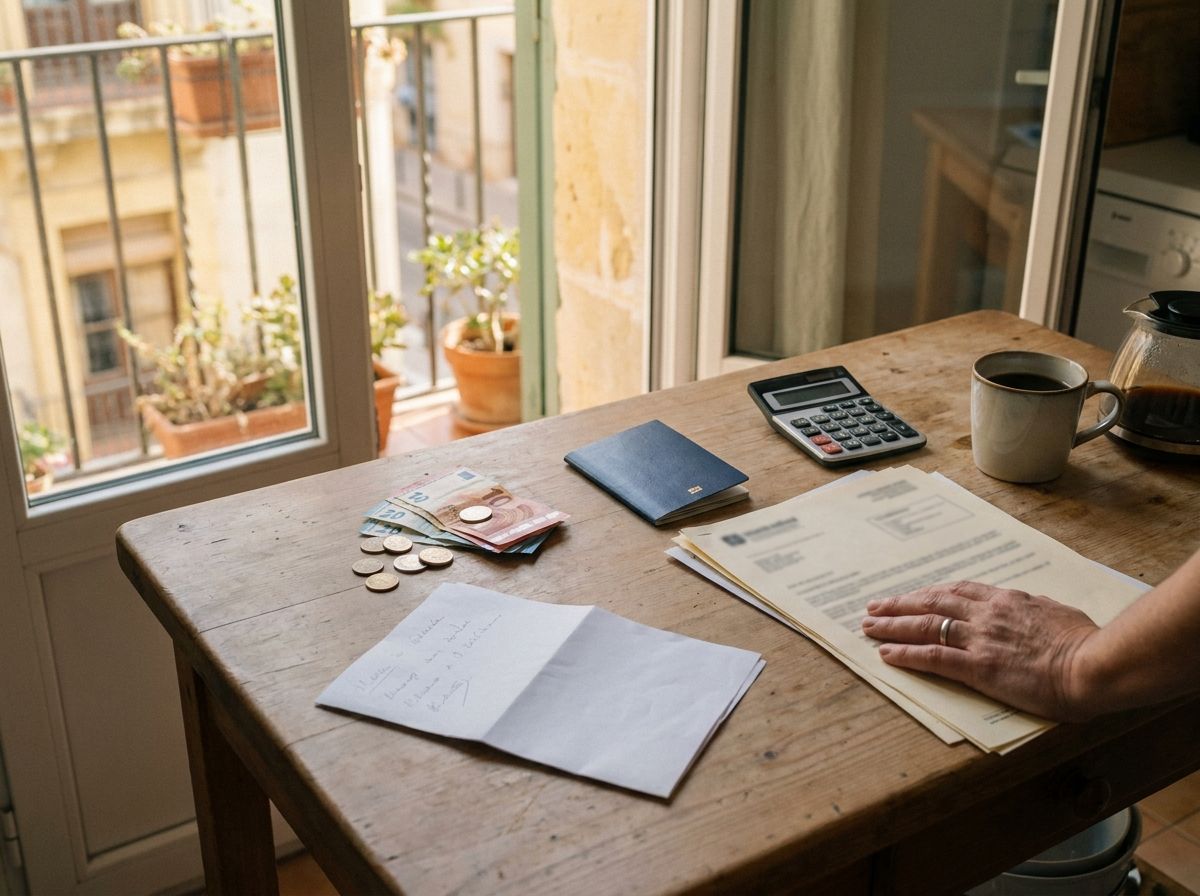
Start with the Malta budget you would actually use
Housing will shape almost every Malta budget. In 2025 and 2026, a one-bedroom apartment in Sliema, St. Julian's, Gzira, or Msida may run about €900 to €1,500 a month. A two-bedroom apartment can cost roughly €1,300 to €2,200 or more, depending on the building, furnishings, parking, view, and distance from the water.
You may find lower rents in Mosta, Naxxar, Qormi, Rabat, or Marsaskala. The tradeoff is often time. A cheaper apartment can mean a longer bus ride, more taxi use, or a car purchase, and rent is not the only number that shifts when you change towns.
A working planning range looks like this:
- One adult sharing or renting a modest home: €2,000 to €3,200 a month
- A couple in a one- or two-bedroom home: €3,000 to €4,800
- A family of four before private school fees: €4,500 to €6,500 or more
- Groceries for one adult: about €300 to €500
- Groceries for a couple: about €500 to €750
- Utilities, internet, and mobile service: about €120 to €220 for a small household
- Local transport, taxis, and occasional ferries: about €60 to €180 per person
Electricity deserves attention. Malta has hot summers, and air-conditioning can raise your bill sharply. Many homes also have tile floors, limited insulation, and no central heating. A mild winter does not guarantee a warm apartment.
Restaurant habits move the total quickly. A casual meal may cost €15 to €25 per person. Dinner in a busy waterfront area runs higher. Imported American snacks, familiar brands, and specialty health foods can cost significantly more than local bread, seasonal produce, and ordinary supermarket goods.
A single remote worker with a €1,100 apartment in Mosta might spend around €375 on groceries, €160 on utilities and internet, €100 on transport, €180 on private medical cover, and €500 on meals, household items, and leisure. That puts the monthly total close to €2,415 before tax, flights, savings, and one-off expenses. The same worker in a €1,500 Sliema apartment would start about €400 higher before leaving home.
Test a neighborhood like a resident, not a visitor
The address on a listing tells you very little about your daily routine. Check the walk to a supermarket, pharmacy, bus stop, clinic, school, and green space. Repeat that test at 8 a.m., 5 p.m., and 10 p.m. A street that feels peaceful at noon may sit beside a late-night bar or a congested junction.
Sliema and St. Julian's offer restaurants, shops, offices, ferries, and most services you'd reach for in a pinch. They also tend to bring higher rents, dense construction, traffic, and busy nightlife. Gzira and Msida can offer practical access to the same central area, with different building stock and street noise.
Mellieha, Rabat, and Marsaskala may give you more space or a slower pace. But they can also put you farther from major clinics, offices, schools, and social groups. Malta is small, yet a short distance on a map can become a slow trip when roads are crowded.
Before you pay a deposit, ask these questions:
- Does the apartment have working air-conditioning in every room?
- Who pays the agency fee and which repairs are your responsibility?
- How much is the deposit, and how is it protected or returned?
- Is the internet connection suitable for video calls?
- Can you park nearby, and what does that parking cost?
- How long does it take to reach your preferred clinic or school?
The Malta cost of living for Americans often looks manageable until housing fees, furniture, transport, and insurance arrive together. Keep a move-in fund separate from your monthly budget. Plan for a deposit, agency charges, temporary accommodation, basic household items, document fees, and at least one return flight.
An American couple may save €350 a month by choosing a larger apartment in Mellieha instead of a smaller one in Sliema. If they then spend €250 on taxis and extra fuel, plus several hours each week traveling to appointments and social plans, that saving is thinner than it looked online. A spreadsheet catches this. A holiday brochure does not.
Understand Malta healthcare and safety before you settle
Malta has a public healthcare system and a substantial private sector alongside it. Mater Dei Hospital is the main public facility. Private hospitals and clinics are often used for consultations, diagnostics, specialist care, and shorter waits, depending on the service and your insurance.
Americans should not assume that arrival, a lease, or a residence application creates instant access to every public service. Access depends on your status, contributions, registration, and the specific care you need. Many residence routes also require health insurance before approval.
Read an insurance policy line by line. Check exclusions for pre-existing conditions, maternity care, mental health, dental treatment, outpatient visits, prescriptions, specialist referrals, and evacuation. A cheap policy can satisfy a paperwork requirement while leaving a large portion of your real care uncovered.
Medicare generally does not pay for routine healthcare overseas, aside from narrow exceptions. Before leaving the United States, request medical records, medication lists, prescription renewals, and the generic names of your medications. Keep digital and paper copies. A cloud folder is helpful until the one day your password decides to become a philosophical problem.
Malta is generally safe for ordinary daily life. Serious violent crime is not the main concern for most residents. The more likely problems include theft in crowded areas, nightlife incidents, traffic, rental disputes, and heat exposure. The US State Department advises Americans in Malta to take normal precautions, including protecting valuables and staying alert in crowded places.
Safety still varies by street and routine. A nightlife-heavy block in St. Julian's can be loud and crowded late at night, while a residential street in Rabat may feel quieter but offer fewer late pharmacies or direct bus routes. Walk the block after dark, inspect building access, and notice how fast cars move near the entrance.
Save Malta's emergency number, 112, in your phone. Locate the nearest hospital and your preferred private clinic before you need either one. If you have a chronic condition, ask specifically how appointments, prescriptions, referrals, and after-hours care work under your planned insurance.
Compare Malta residence routes with your real life
Short visits and settlement are different legal categories. Americans can generally visit Malta and the Schengen Area for up to 90 days in any 180-day period for short stays, subject to current entry rules. That permission does not let you settle indefinitely, take a local job, or use tourism status as a permanent plan.
Malta residency options usually connect to your work, remote income, study, family relationship, retirement income, or investment position. The route has to match what you will actually do after arrival.
Routes Americans may research include:
- The Malta Nomad Residence Permit for eligible remote workers serving employers or clients outside Malta
- Employment-based residence connected to a Maltese job and employer process
- Student residence for an approved education program
- Family reunification for qualifying relatives
- The Malta Permanent Residence Programme for applicants who meet its property, contribution, insurance, and eligibility rules
- Residence routes based on retirement or financial independence where current rules permit them
The Nomad Residence Permit has published an annual gross income threshold of €42,000, but confirm the current figure with Residency Malta before relying on it. Applicants also need suitable remote-work evidence, accommodation, insurance, and a clean background record. The permit is not a general pass to accept any Maltese job.
The Malta Permanent Residence Programme is a separate route. It can involve an approved rental or purchase arrangement, government contributions, a donation, assets, insurance, and due diligence. Costs and requirements can change, so use current government information and a licensed agent rather than an old forum post with a confident tone.
For each route, build a document list that includes:
- Passport and civil-status records
- Federal background checks with the required apostille or certification
- Proof of income, savings, employment, pension, business activity, or assets
- Housing documents that meet the route's standards
- Accepted health insurance
- Certified translations when required
- Evidence of lawful funds and the correct application fees
Write down your intended income source before choosing a route. A remote contractor, pensioner, local employee, student, and investor do not submit the same application. Your partner or dependent may also need separate evidence or a linked application.
Plan for taxes, work limits, and the paperwork clock
Residence and tax residence are connected but not identical. Malta may consider residence, domicile, income source, and remittance facts. The United States generally taxes citizens on worldwide income after they move abroad. Foreign tax credits, the Foreign Earned Income Exclusion, foreign account reporting, and state tax rules may all matter.
A US citizen with a remote business should speak with a tax professional who understands both US and Maltese rules before moving the business or changing its structure. A retiree should ask about Social Security, pension income, retirement accounts, dividends, and required distributions. A household with a US rental property should review reporting and withholding rather than assuming the property becomes irrelevant after departure.
Work permission also needs a close read. A residence permit may allow a particular activity, but it does not necessarily let you work for any employer, open any business, or switch jobs without another approval. EU membership does not give an American the work rights of an EU citizen.
A reasonable planning clock might look like this:
- Three to six months before the move: choose a route, review income rules, and compare towns
- Two to four months before applying: order background checks, collect civil records, and arrange certification
- Before arrival: confirm insurance, temporary housing, banking needs, and document validity
- After approval or arrival: complete registration steps, sign a suitable lease, and record renewal dates
Keep a document tracker with the issuing office, date obtained, expiry date, translation status, apostille status, and destination. Background checks and medical documents may have validity windows. A document that was acceptable in March may not be acceptable when an appointment arrives in June.
Build an exit plan too. Decide how you will handle US mail, prescriptions, voting materials, bank alerts, pets, and an emergency contact. If a residence application is delayed, know where you can legally stay and how you will pay for the extra weeks.
Decide whether Malta fits your household
Malta may suit you if you want English widely used in daily life, a warm Mediterranean setting, short distances, and access to European travel. It may suit a remote worker with steady income, a couple comfortable in a smaller home, or a retiree who can pay for suitable housing and insurance.
It may not suit you if you need a large coastal home on a modest budget, depend on one specific specialist, want quiet streets beside nightlife, or expect a straightforward route into local employment. Families should price school and childcare choices before treating a rent estimate as a full household budget.
Score Malta from one to five against your own circumstances:
- Housing cost after utilities, deposits, and transport
- Access to the healthcare you actually use
- Residence eligibility based on income and family status
- Street-level comfort at the hours you will be outside
- Distance from schools, clinics, shops, ferries, and airports
- Tolerance for heat, traffic, density, and limited space
A single remote worker with €4,000 in monthly gross income may find Malta workable outside the highest-rent districts. A family with two children may need a much larger income once private school, a family-sized home, activities, and insurance are included. A retiree may have enough income but still need to solve specialist care and prescription access.
Use a real week as your test. Price a supermarket trip, a taxi to a clinic, an internet plan, a winter utility bill, a summer electricity bill, and a return flight to the United States. Compare Malta with at least two other countries using the same household details. The best choice is not the place with the prettiest waterfront. It is the place that still works when the bus is late and the air-conditioner breaks.
FAQ
Is Malta a good place for an American to move?
Malta can suit Americans who value a warm climate, widely used English, European access, and a compact setting. It may be less suitable for households that need large homes, quiet streets everywhere, low rents, or a straightforward local work permit. Compare your normal expenses and medical needs before deciding.
What monthly income do I need to live in Malta?
A single adult may need about €2,000 to €3,200 a month, depending on rent and habits. A couple may need €3,000 to €4,800, while a family may need €4,500 or more before private school fees. Residence routes can impose their own income or asset requirements.
Which Malta residency option is best for a remote worker?
The Nomad Residence Permit may fit an eligible remote worker whose employment or clients are outside Malta. The published income threshold has been €42,000 in gross annual income, but confirm the current rule with Residency Malta. A local job, study plan, family relationship, or investment position may require a different route.
Is healthcare in Malta free for Americans?
Americans do not receive automatic free access to Malta's public healthcare system because they arrive or apply for residence. Access depends on status and other conditions, and many residence routes require private health insurance. Medicare generally does not cover routine care overseas.
Can I stay in Malta indefinitely as a tourist?
No. Americans can generally use short-stay Schengen rules for up to 90 days in any 180-day period, subject to current entry requirements. Staying longer or settling requires a residence route that matches your situation.
Before you book a flight, build a Malta worksheet with your rent target, insurance quote, transport plan, residence route, and emergency reserve. Then take the six-question country match quiz at /preview. It returns three countries that fit your household profile and includes a cost figure, giving you a better comparison point than a sunny photo of Valletta.
Join the conversation
Subscribe to comment
Join SafeHavenGuide's newsletter to leave a comment and get new posts in your inbox.