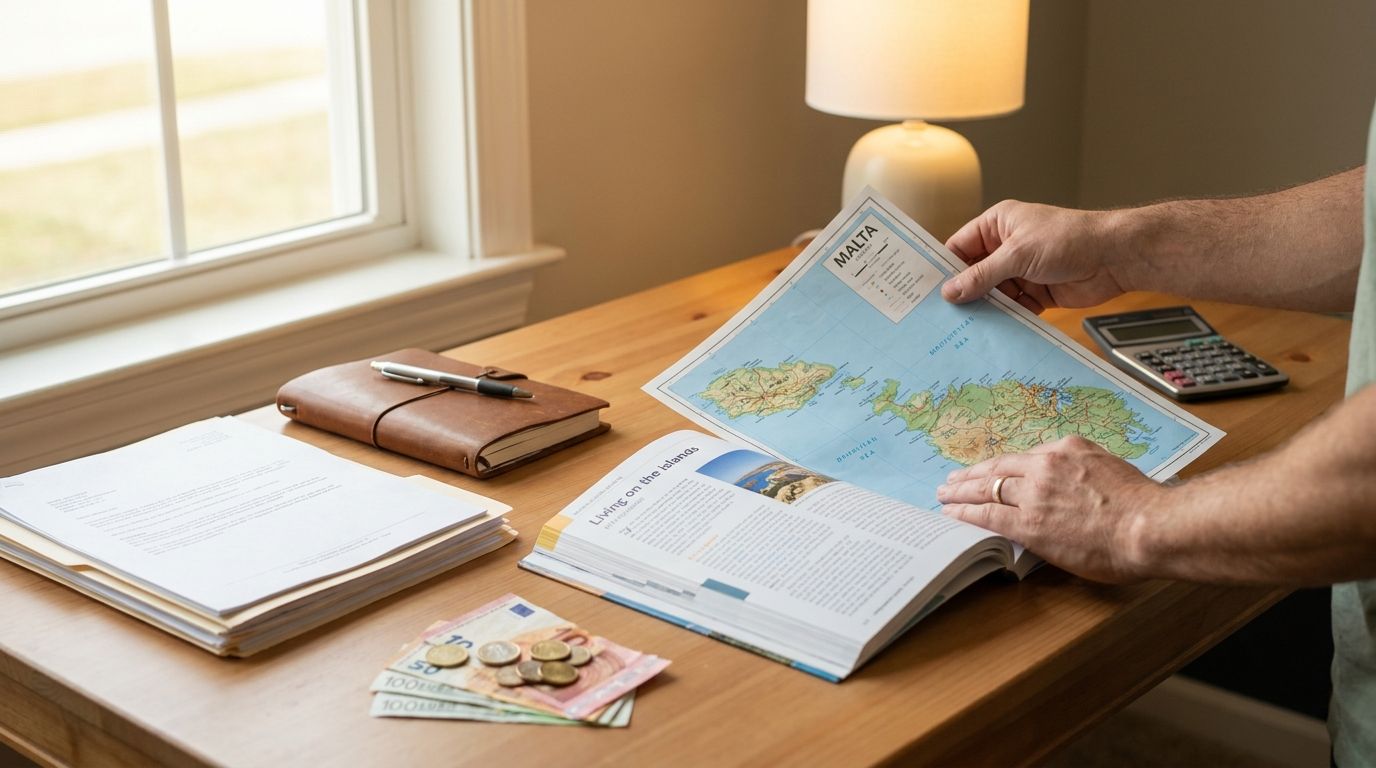
Someday: The Netherlands - could walkable daily life change what you want from home?
Moving to the Netherlands from the US can change your idea of convenience, space, and home. Here is what daily life, costs, visas, and neighborhoods require.
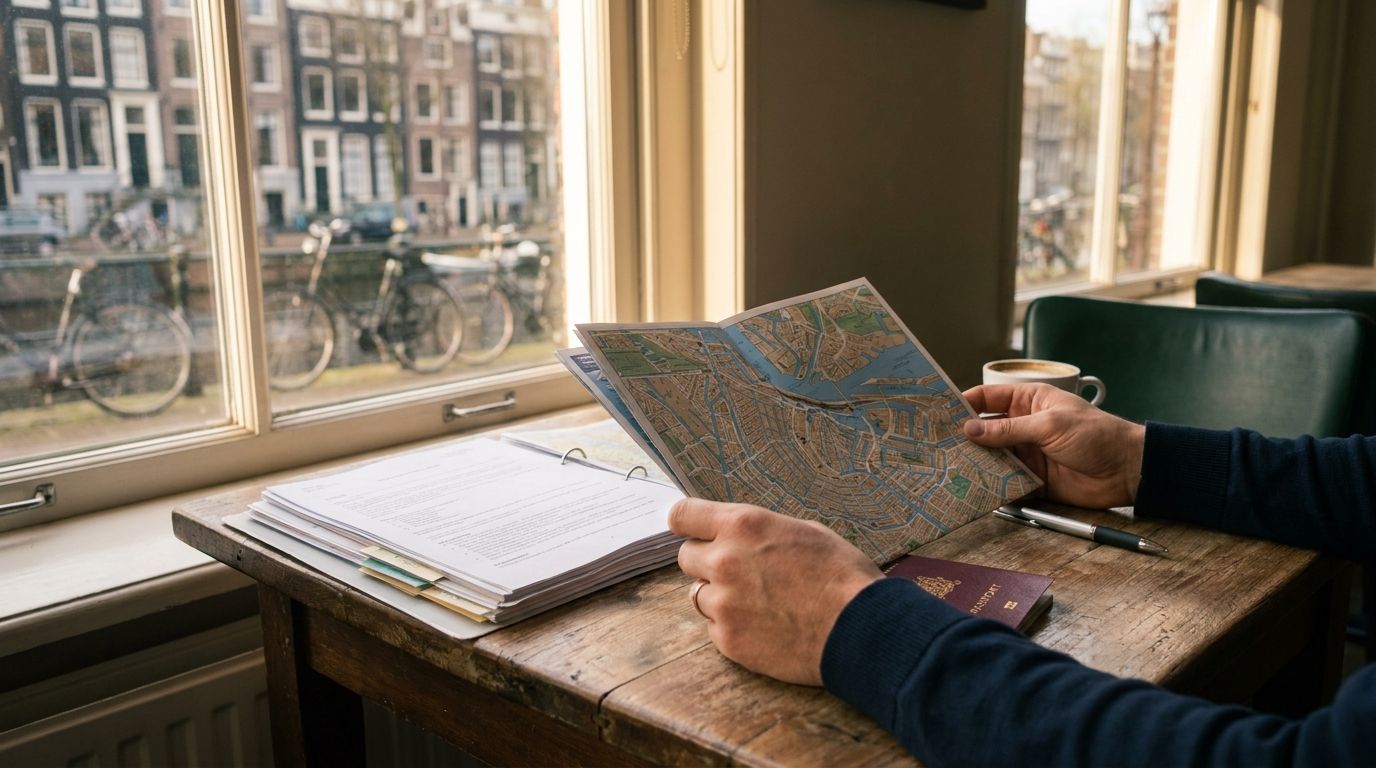
At 7:42 on a rainy Tuesday, Claire locks her apartment in Utrecht, clips a light to her bicycle, and rides to the bakery before work. No parking search. No drive-through line. Just wet cuffs, warm bread, and ten quiet minutes that used to disappear inside her car.
Moving to the Netherlands from the US can change what you want from home because daily errands fold into your routine instead of eating it. The trade is real: housing is expensive in popular cities, the weather is not shy about making its presence known, and residency requires far more planning than a holiday visit.
For Americans considering Netherlands relocation, the right question is not whether Dutch life looks pleasant in photographs. Ask whether you want your neighborhood, transport, budget, healthcare, and social habits to operate differently on every ordinary day.
What walkable life in the Netherlands actually changes
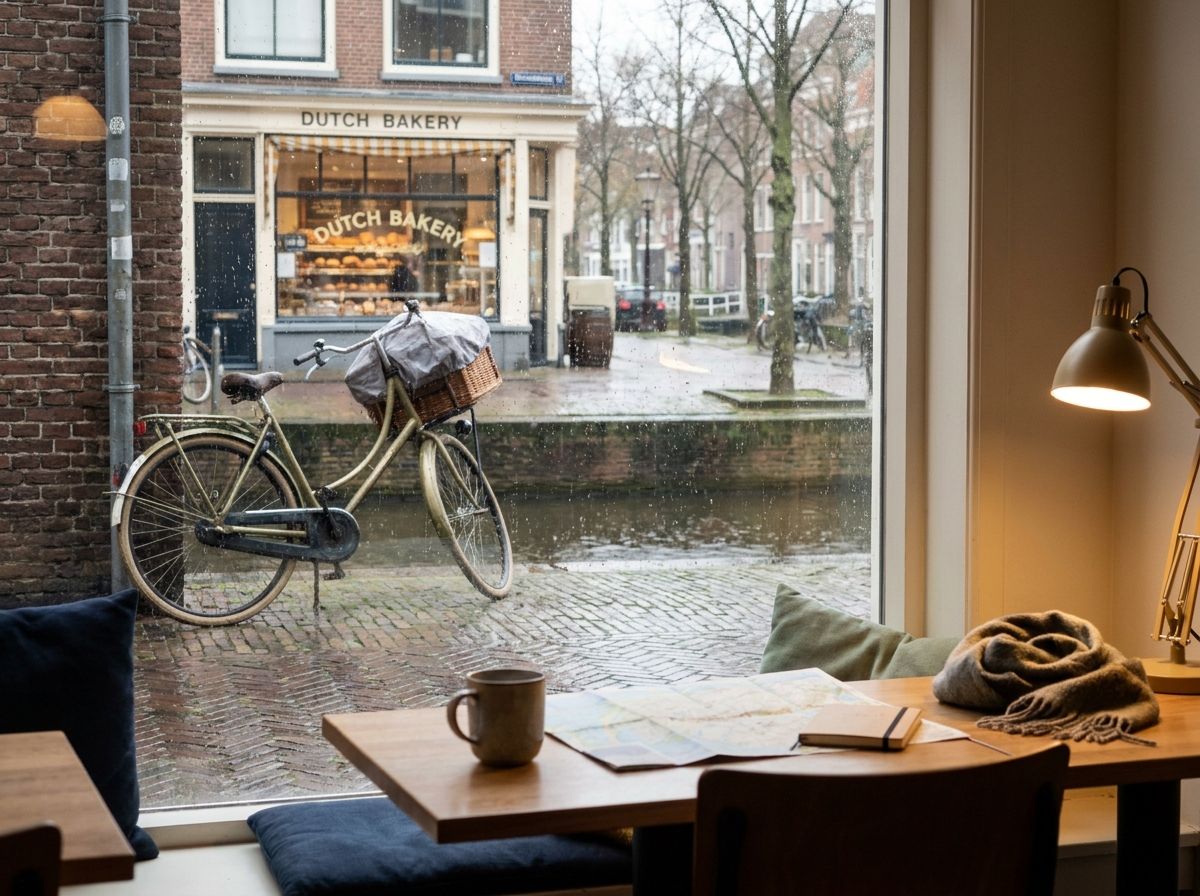
Walkability is not the same as having a charming center nearby. It means you can handle repeated errands without treating your car as the family operating system. In Dutch cities, a single local street may connect your front door to a grocery shop, school, tram stop, pharmacy, café, and train station, all within a short ride or walk.
Utrecht, Groningen, Leiden, and many parts of Amsterdam make that pattern easy. Smaller towns can work too, though service hours and transport options vary more than you might expect. Rural life may give you more space, but it often brings a genuine need for a car, and your daily route still matters in a compact country.
Consider Marcus, who lives in Phoenix and drives 25 minutes for groceries, 35 to work, and 20 to a gym. In Haarlem, his routine might involve walking to a market, cycling to the station, and taking a train into Amsterdam. That does not make every day effortless. Rain, a delayed train, or a full bike rack can make a simple trip annoying in a very European way.
A walkable routine can also shift your housing priorities. You may care less about a large garage and more about:
- A grocery shop within ten minutes
- Safe cycling routes to work or school
- A train or tram connection nearby
- A quiet bedroom facing away from a busy street
- A secure place for bicycles
The Netherlands has one of the world's highest cycling rates. Statistics Netherlands, known as CBS, reports that people in the country make billions of bicycle trips each year. The number matters less than the habit behind it: cycling is transport, not only exercise.
Before you choose a city, test an ordinary week. Map the trip to groceries, a doctor, work, school, and the train station. A beautiful canal district can feel inconvenient fast if every necessary errand takes two connections and a reservation.
Housing can decide whether the dream feels calm
Housing is often the hardest part of moving to the Netherlands from the US. Demand is high in Amsterdam, Utrecht, Rotterdam, The Hague, and other university or employment centers. Rents vary by neighborhood, size, condition, and proximity to transport, so a national average will not tell you what your household actually needs.
A one-bedroom in a central area may cost far more than a similar home outside the core. Family housing can be hard to secure, especially when you need outdoor space, registration permission, or a short commute. Some landlords ask for income documentation, deposits, and proof of legal residence, and listings can disappear within hours.
Priya and her partner expected to rent in central Amsterdam after arriving with remote jobs. Their first serious search made the problem obvious: places within budget had small rooms, long queues, or terms that simply did not fit their situation. They shifted toward Amersfoort and Zaandam, then weighed train fare and travel time against the lower rent. That is a better method than choosing a city by reputation.
Build a housing budget that includes:
- Monthly rent and any service charges
- Utilities, internet, and municipal taxes
- A deposit and possible agency fees
- Bicycle storage or parking
- Train, tram, and regional transport costs
- Furnishing costs if the home is unfurnished
Read the lease carefully. Ask whether you can register at the address with the municipality. Registration is not a small administrative detail, it connects you to official records and can affect your ability to arrange other parts of life.
You may also need to accept a smaller home than you would rent in the US. That can be a relief if you spend less time maintaining space you rarely use. It can be frustrating if you work from home, have children, or need a separate bedroom for guests.
Measure your furniture before shipping it. The stairwell may have opinions.
Use neighborhood visits at different times. Stand outside on a weekday morning, after school, and late at night. Listen for traffic, nightlife, delivery vehicles, and church bells. Home is not only the square footage inside the front door.
Your visa route needs to match your actual plan
American citizens can visit the Netherlands and other Schengen countries for up to 90 days in any 180-day period without a short-stay visa, covering tourism and certain business visits. That allowance does not let you move permanently, work without permission, or treat a long stay as residency.
For Netherlands relocation, your route may involve employment, study, a partner or family relationship, entrepreneurship, or another residence category. The Immigration and Naturalisation Service, or IND, handles residence applications. Some employers act as recognised sponsors for highly skilled migrant applications. The Dutch American Friendship Treaty, often called DAFT, can offer a route for eligible US entrepreneurs, but it has real conditions and is not a general retirement permit.
Your practical questions matter more than a list of visa names:
- Will a Dutch employer sponsor your role?
- Can your income meet the required threshold?
- Are you starting a real business with a workable plan?
- Does your partner or family member have a residence route?
- Which documents need an apostille, translation, or legal review?
Rules, fees, income thresholds, and processing times change. Check IND guidance and the Dutch embassy or consulate before you commit money to a lease, shipment, or flight. A forum post from 2021 is not a plan, even if it has 46 enthusiastic replies.
Keep your US obligations in view. Moving does not end your US federal filing duties, and state tax questions can continue after you leave. You may also need Dutch tax registration and a local bank account. A cross-border tax professional helps when your situation includes investments, self-employment, rental property, or retirement income.
Make a document folder before departure. Include passports, birth and marriage records if relevant, police certificates when required, proof of funds, employment letters, and certified copies. Keep digital and paper versions. Paperwork is dull until one missing document delays a month of plans.
Healthcare is organized around a local doctor
Life in the Netherlands includes a healthcare system that may feel quite different from the US. After you become a resident or otherwise fall under the Dutch health insurance requirement, you generally need basic Dutch health insurance. You choose an insurer and pay a monthly premium. The government sets the standard basic package, while insurers offer policies with different details and optional coverage.
Your general practitioner, called a huisarts, is usually your starting point for non-emergency care. The GP handles many routine needs and refers you to a specialist when appropriate. This gatekeeping role can feel slower if you are used to booking a specialist directly, but it gives your care a consistent local entry point.
Emergency numbers, pharmacies, dental care, mental healthcare, and prescriptions all deserve their own research. Do not assume your US health plan will cover a permanent move. International insurance may help during a transition, but it may not replace the policy required under Dutch rules.
Before moving, write down your current medications and ask your US clinician for records. Check whether each medication is available under the same name and whether you need a Dutch prescription. Bring a reasonable supply only when permitted, with documentation explaining what you take and why.
A realistic healthcare checklist includes:
- Confirming when Dutch insurance becomes required
- Finding a GP who accepts new patients
- Checking dental and vision costs separately
- Learning how repeat prescriptions work
- Saving the right number for urgent medical advice
For families, compare pediatric care, school health support, and specialist access near the proposed home. For retirees, price insurance and routine care before choosing a town. A low rent outside Rotterdam may look appealing until a long trip becomes necessary for every appointment.
The Dutch system is not a promise of instant appointments. It is a different structure, and you will need to explain your symptoms clearly, accept a GP consultation as the normal starting point, and ask how follow-up care works.
Work, school, language, and social life take adjustment
American expats in the Netherlands often notice a flatter workplace style. Meetings can be direct to the point of bluntness. Colleagues may question a manager's idea openly, in front of the whole room. A short email can read as cold when you are used to friendly padding. That does not always mean someone is angry.
English is common in many workplaces and university settings, especially in larger cities. It is still worth learning Dutch. You need it for neighbors, municipal letters, school communication, local clubs, and the moments when English suddenly stops being enough.
Children may enter Dutch schools, international schools, or another education path depending on age, language, residence status, and family plans. International schools can have limited places and higher fees. Dutch schools may offer language support, but ask exactly what that support looks like rather than assuming a child will simply absorb Dutch through proximity.
Social connection also takes time. Real time. Joining a cycling club, volunteer group, sports association, language class, or neighborhood activity gives you repeated contact with the same people, and that repetition is where friendships actually form.
Maya, who works remotely, might enjoy the freedom to meet colleagues online from a Utrecht apartment. She could also go several days without speaking to anyone outside a screen if she does not build local habits. Remote work solves location. It does not automatically solve belonging.
Try a gradual plan:
- Learn basic Dutch phrases before arrival
- Join one recurring local activity within the first month
- Ask neighbors practical questions instead of waiting for friendship to appear
- Keep a small US routine while building a Dutch one
- Schedule regular calls with people back home
Expect directness, quiet weekends, and social invitations that come later than you hoped. You do not have to become Dutch to live well there. You do need to stop judging every difference as a service failure.
Decide whether the Netherlands fits your version of home
The Netherlands may suit you if you want shorter errands, reliable regional transport, dense neighborhoods, and less daily dependence on driving. It may frustrate you if you need a large home, abundant parking, warm winters, or quick specialist access without a referral.
Cost is not only rent. Compare your full household pattern. A person who gives up a car may save on fuel, insurance, repairs, and parking. A family may spend more on childcare, school choices, or a larger home. A retiree may value transit and healthcare access more than proximity to an international airport.
Create two monthly budgets before you decide:
- A city budget for Amsterdam, Utrecht, Rotterdam, or The Hague
- A regional budget for a smaller town connected by rail
Include housing, utilities, food, transport, insurance, taxes, healthcare out-of-pocket costs, phones, leisure, and travel back to the US. Add a buffer for deposits, replacement bicycles, winter clothing, and the small fees that gather around a move like crumbs around a toaster.
Then run a one-week trial without a car in your current city. Walk or cycle for groceries. Take public transit to an appointment. Carry your laundry, work bag, or a week's worth of food. The point is not to imitate Dutch streets perfectly. It is to discover whether reducing driving feels freeing or exhausting.
SafeHavenGuide's country match quiz can give you three country results and a cost figure after six questions, with no signup at /preview. Use that as a starting point, then compare the Netherlands against your own budget, family needs, safety preferences, and visa route. A pleasant impression is not enough. Your Tuesday is the test.
A practical path from someday to research
Start with a 90-day research period. Do not begin by browsing apartment photos at midnight. Begin with your legal route and monthly numbers, because both can rule out a plan before your emotions get attached to a canal view.
During the first month, identify your likely visa category, list required documents, and compare three cities or towns. During the next month, price housing and transport using actual listings and route planners. In the final month, contact official services, speak with a tax professional if needed, and build a move timeline.
Write down the answers to these questions:
- Where would you live if central housing is outside your budget?
- What will you do if your preferred employer cannot sponsor you?
- How will you handle healthcare during the transition?
- What will your household miss about the US?
- Which parts of your current routine are you ready to give up?
A country report or virtual tour cannot answer every question. It can help you compare options without relying on vacation memories. Save your assumptions, update them when prices or rules change, and keep a record of what still needs confirmation.
If the Netherlands remains attractive after this work, plan a scouting visit built around normal life. Shop for groceries. Take a train during rush hour. Visit a residential neighborhood in the rain. Check a pharmacy, a GP practice, and a school area. You are not auditioning for a holiday. You are checking whether your future Tuesday feels workable.
FAQ
Is the Netherlands a good place for Americans to move?
It can be a strong fit for Americans who value walkable neighborhoods, cycling, public transport, and compact city life. It may be a poor fit if you need low housing costs, a large home, warm weather, or unrestricted work rights without a residence route.
How long can a US citizen stay in the Netherlands without a visa?
A US citizen can generally visit the Schengen Area for up to 90 days in any 180-day period for permitted short visits. This does not grant permission to settle, work freely, or remain beyond the limit. Check current European entry rules before traveling.
How much money do I need to move to the Netherlands?
There is no single household figure because rent, city, family size, visa route, insurance, and transport all change the total. Build a budget with rent, deposit, utilities, health insurance, food, transport, taxes, document costs, and several months of emergency savings.
Do I need to speak Dutch to live in the Netherlands?
You can manage many professional and urban situations in English, but Dutch makes housing, healthcare, municipal paperwork, school communication, and local relationships easier. Learn basic Dutch before arrival and keep studying after you move.
Which Dutch cities should Americans compare first?
Compare Amsterdam, Utrecht, Rotterdam, The Hague, Haarlem, Groningen, Leiden, and connected smaller towns based on rent, work, transport, schools, and healthcare access. Do not choose only by tourism appeal. Compare the route between your likely home and your ordinary weekly errands.
Before you call the Netherlands your plan, complete one honest budget, verify one realistic visa path, and test one car-free week. Then use the results to decide whether someday needs a date on the calendar.
Join the conversation
Subscribe to comment
Join SafeHavenGuide's newsletter to leave a comment and get new posts in your inbox.