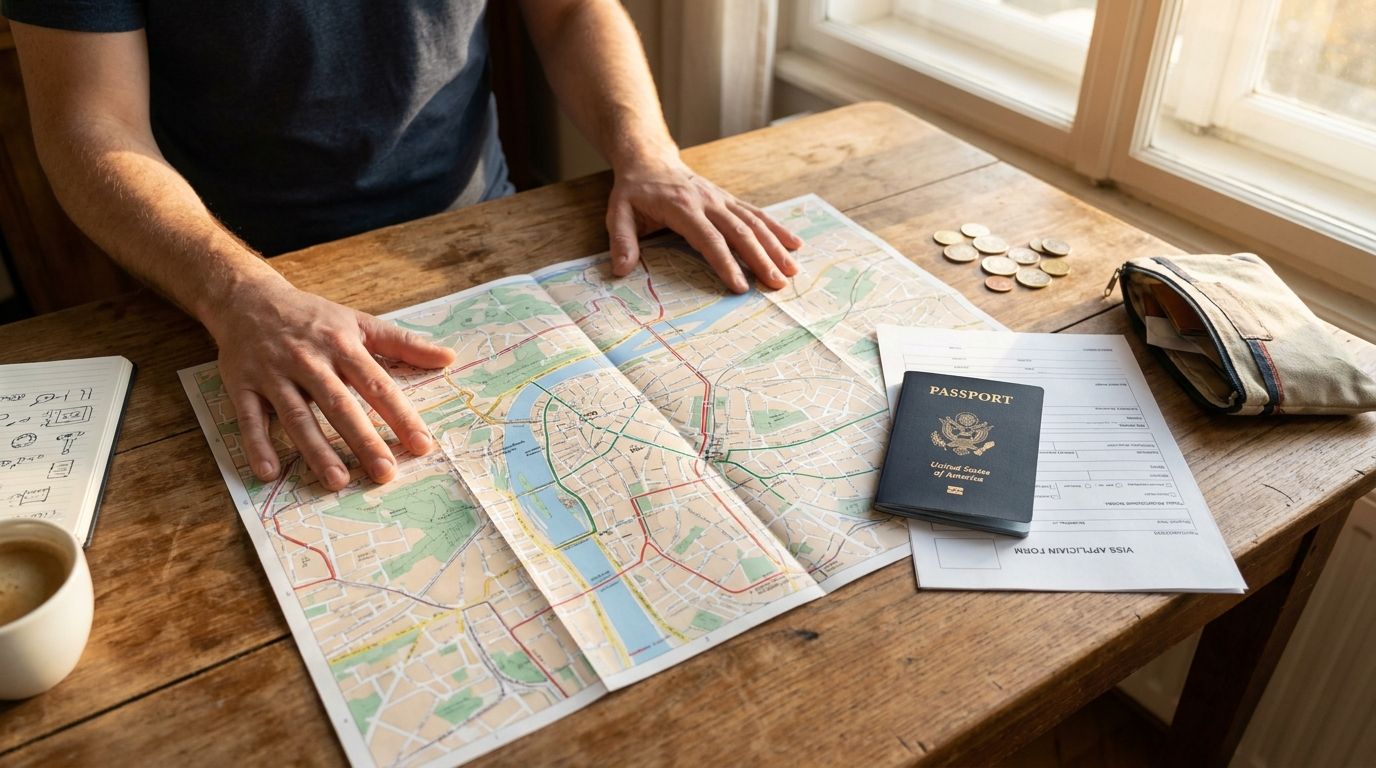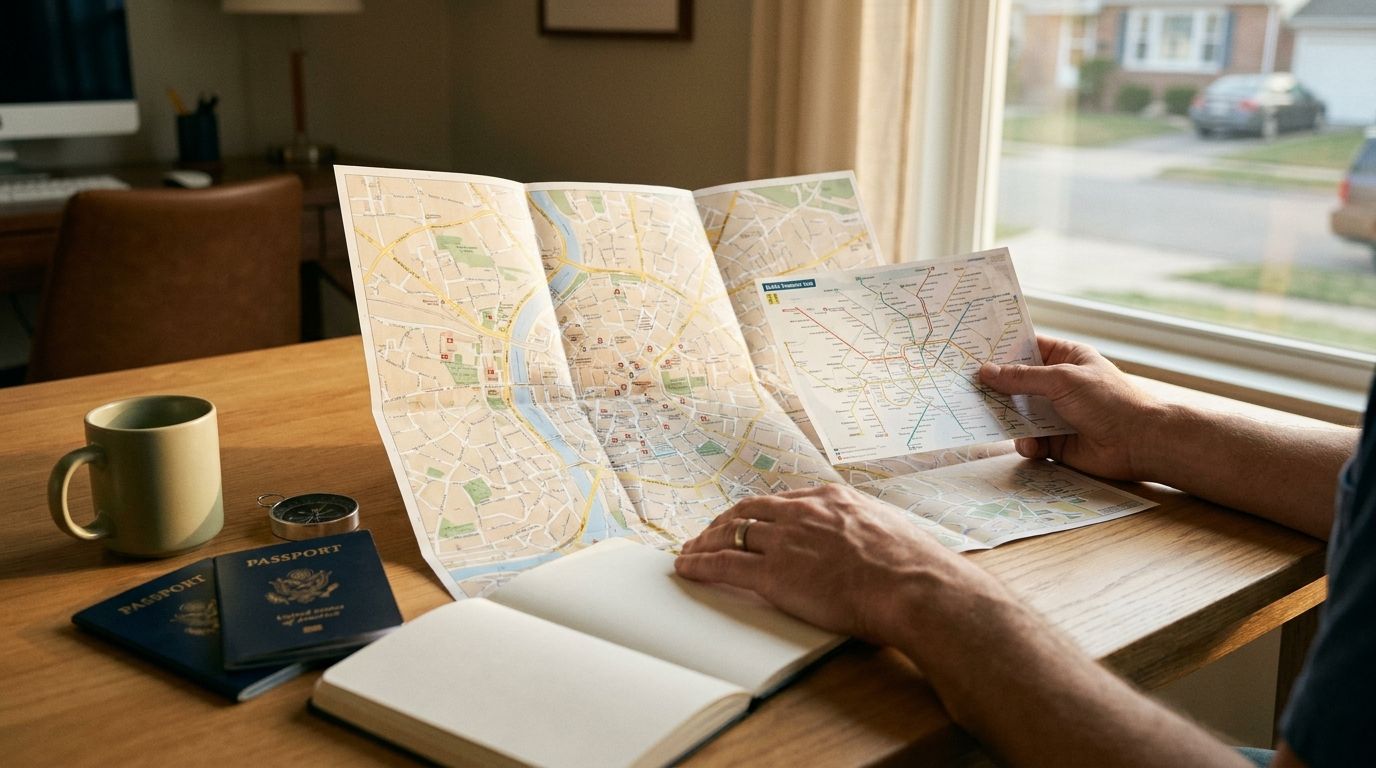
Someday Slovenia: could a smaller European country fit your everyday life?
Moving to Slovenia from the US could mean lower daily costs, easy access to nature, and a slower routine. Here is what everyday life may really require.
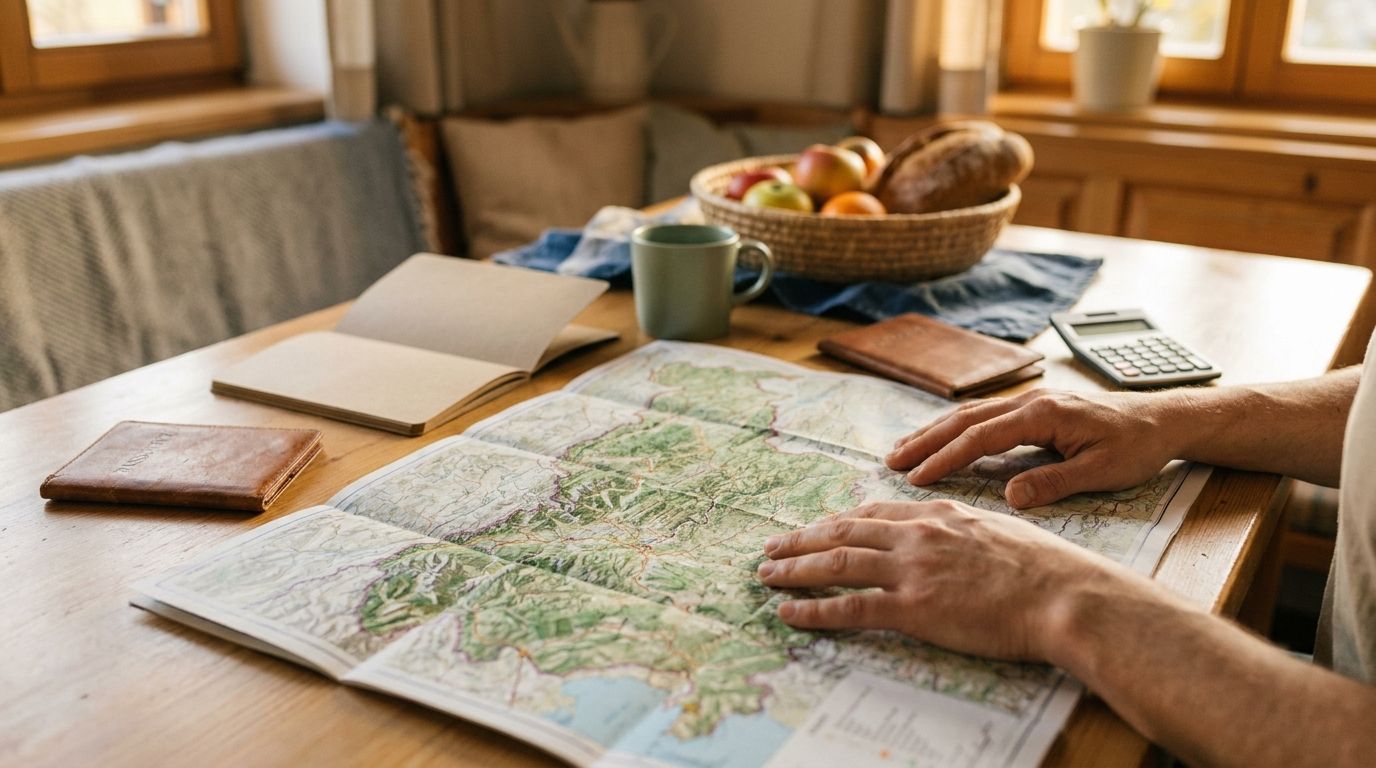
Maya Camp had one tab open for Ljubljana apartments and another for a grocery calculator when she realized she was comparing olive oil prices across two continents. Her coffee had gone cold. The move still felt imaginary, but the budget on her screen did not.
That is often how moving to Slovenia from the US begins. Not with a dramatic airport goodbye, but with rent estimates, questions about healthcare, and the uneasy feeling that you may be planning a whole new life from a kitchen table. Slovenia can offer a calmer daily rhythm, strong public services, and quick access to the rest of Europe. It also asks you to accept a smaller housing market, a new language, and more paperwork than a long weekend in Ljubljana would suggest.

If you are wondering about living in Slovenia as an American, you do not need every answer today. You need a realistic picture of the life you would be building, including the parts that do not appear in a holiday photo.
What everyday life in Slovenia can feel like
Slovenia is small by European standards, with a population of about 2.1 million people. Ljubljana, the capital, has roughly 300,000 residents. That scale matters. You can live in a city with restaurants, universities, medical services, and cultural events without feeling swallowed by it.
A weekday might involve walking to a bakery, taking a bus across town, and reaching a forest trail before dinner. In another part of the country, you may be close to the Alps, the Adriatic coast, or wine-growing hills. The distances are short enough that a day trip can feel normal rather than heroic.
But Slovenia is not a perpetual vacation. Winter can be gray and damp, small towns may have limited English-language services, and many businesses close earlier than an American newcomer expects, especially outside major tourist areas. You may need to plan errands instead of assuming everything will be open late.
That trade can be welcome if you are tired of rushing. It can feel restrictive if your current life depends on 24-hour pharmacies, late-night delivery, or a large choice of specialized services.
People often describe Slovenia as safe, clean, and orderly, and those impressions have a practical side. The 2024 Global Peace Index placed Slovenia among the more peaceful countries in the world, though any relocation decision still needs a neighborhood-level review. A quiet town and a central city district will not offer the same experience.
You may notice these differences in ordinary moments:
- Cars tend to share roads with cyclists and pedestrians more carefully in many urban areas.
- Public spaces often feel close to residential areas rather than separated by long drives.
- Social life may center on family, coffee, outdoor activities, and local events instead of constant commercial entertainment.
That does not mean you will instantly feel at home. A slower routine can leave room for connection, but you still have to build that connection. Joining a hiking group, taking Slovenian lessons, or becoming a regular at the same café can do more for your sense of belonging than collecting sightseeing photos. (This sounds obvious until you are three months in and realize you have been spending weekends alone in scenic places.)
The cost of living in Slovenia: a working budget
The cost of living in Slovenia depends heavily on where you live, how often you eat out, whether you own a car, and whether you need international schools or private healthcare. Ljubljana usually costs more than Maribor, Celje, Kranj, or smaller towns near the coast.
As a planning range for 2026, a single person renting a modest one-bedroom apartment outside Ljubljana's most expensive central districts might estimate €1,400 to €2,100 per month. A couple may need roughly €2,000 to €3,000. A family of four could plan on €3,000 to €4,800 before private school tuition, depending on rent and transport.
These are planning figures, not promises. Housing can move the total quickly. A furnished apartment in central Ljubljana may cost about €900 to €1,500 per month or more, while a place outside the center may be less expensive but farther from services. Smaller cities may offer lower rents, yet the available supply can be thin.
A sample monthly budget might look like this:
- One-bedroom rent outside central Ljubljana: €850 to €1,200
- Utilities and internet: €150 to €250
- Groceries for one adult: €250 to €400
- Local transportation: €40 to €70
- Occasional meals, household items, and personal costs: €250 to €450
Healthcare is another part of the calculation. Slovenia has a public healthcare system funded through compulsory contributions, and residents may also choose supplementary or private coverage. Your access will depend on your residence status, work arrangement, and registration. Do not assume that an American travel insurance policy will meet a residence permit requirement or cover routine care.
Taxes also deserve attention before you sign a lease. Your tax residence, income source, US filing obligations, and Slovenian obligations can overlap in ways that surprise people. A cross-border tax professional can help you understand the rules before the move rather than after a confusing letter arrives. Tax paperwork has a remarkable talent for appearing right after you have finally found a decent apartment.
The cost of living in Slovenia may compare favorably with major US cities, especially for public transportation, groceries, and some services. It may not feel cheap if you are comparing it with a low-cost US region, or if you keep paying for a US home, insurance, storage unit, and international travel.
Before you trust an online estimate, write down:
- Your expected rent and deposit
- Your health insurance and medical costs
- Your transportation plan, including car ownership
- Your taxes, banking fees, and US-based bills
- Your travel budget for returning to the United States
This is where a country match becomes more useful than a country fantasy. With SafeHavenGuide's adaptive learning system, you can compare your own household profile against country costs instead of relying on a generic expat budget.
What moving to Slovenia from the US involves
American citizens can visit Slovenia and other Schengen Area countries for up to 90 days in any 180-day period for short stays. That rule does not give you the right to live, work, or study there long term. For a move, you need a residence route that matches your reason for staying.
Possible routes can include employment, study, family reunification, self-employment, retirement-related circumstances, or other residence categories. Slovenia also introduced a temporary residence permit for digital nomads in late 2025, but requirements and eligibility can change. Check current government guidance before relying on any route, especially if your income comes from US clients or an overseas employer.
A residence application may require documents such as:
- A valid passport and completed application forms
- Proof of accommodation in Slovenia
- Proof of sufficient funds or qualifying income
- Health insurance that meets the stated requirements
- A criminal background certificate from the United States
- Certified translations, apostilles, or other document authentication
The exact list depends on the permit category. Some documents also have short validity windows, so ordering them too early can create a second round of work.
You may apply through a Slovenian diplomatic mission or through the relevant administrative authority in Slovenia, depending on your situation and the route you choose. The process can involve appointments, translations, fingerprints, proof of address, and waiting. Build a document timeline before buying a one-way ticket. Seriously.
Living in Slovenia as an American also means learning how to handle daily administration. You may need a Slovenian tax number, a local bank account, a residence registration, and a way to receive official notices. Keep paper and digital copies of every application, receipt, translation, and appointment confirmation.
And give yourself room for the emotional part. You can be excited about leaving the United States and still feel lost when a simple form takes three visits. You can miss familiar customer service, your old grocery store, or the person who fixed your car without asking for three documents. That does not mean the move was a mistake.
Choosing the right Slovenian setting for your life
Ljubljana is the easiest starting point for many Americans because it has the broadest range of services, international connections, universities, and English-language support. It is also where housing costs can feel sharpest. A central apartment may give you walkability but less space for the money.
Maribor is Slovenia's second-largest city and often offers a quieter pace with lower housing costs than Ljubljana. It has a university community, wine-country surroundings, and access to city services. If you want a more local daily routine without moving to a very small town, it may deserve a closer look.
Koper and nearby coastal towns can appeal to people who want milder weather and access to the Adriatic. The tradeoff is a smaller housing pool and prices that may rise during busy seasons. Inland towns can offer more space, but you may rely more on a car and have fewer English-speaking services nearby.
When you compare places, ask how your actual week would work. Not your dream Saturday. Your Tuesday.
- How long would it take to reach a grocery store, clinic, school, or workplace?
- Would you need a car, and could you afford its insurance, fuel, repairs, and registration?
- Could you manage winter weather and hilly streets?
- Would you have a realistic way to meet people beyond other newcomers?
- Can your preferred visa or residence route work from that location?
A smaller country does not mean every place feels the same. Ljubljana may feel compact but busy. A village may feel peaceful but isolating. The best fit is the place that supports your habits, budget, health needs, and social hopes at the same time.
Try a test stay if you can. Rent a normal apartment rather than a holiday flat, shop where residents shop, and take public transportation during a weekday. See how long it takes to handle an errand when you are tired and do not know the local process. That experience will tell you more than a scenic drive through Lake Bled.
A Slovenia relocation guide should also include your return plan. Decide how often you expect to visit the US, where family members would stay, and how you would handle an emergency flight. Distance is manageable until somebody needs help, and then a vague plan becomes expensive very quickly.
Making "someday" more honest and more possible
The word someday can protect you from rushing. It can also keep you in research mode forever. You do not need to turn a private hope into a public announcement, but you can give it a small test.
Start with a one-page Slovenia decision sheet. Write down your likely monthly income, housing ceiling, preferred region, visa route, healthcare needs, and the one part of your current life you most want to change. Then write the part you do not want to lose.
Next, compare three versions of your move:
- A cautious plan with a lower-cost city and a long preparation period
- A middle plan with a trial stay and moderate housing costs
- A stretch plan with central Ljubljana, frequent travel, or private services
For each version, calculate the first six months. Include deposits, flights, document fees, temporary housing, furnishings, transportation, and a reserve for delays. A monthly budget alone misses the expensive beginning.
You can use SafeHavenGuide's free six-question country match quiz at /preview to see which three countries fit your answers best, including a cost figure. If Slovenia appears in the results, download the free country pack at /free/slovenia and use it as a starting point, not a final verdict.
The full guided wizard ranks all 66 countries against your budget, family situation, safety preferences, and visa fit. That can be useful when Slovenia feels emotionally right but another country may work better for your income or healthcare needs. You are allowed to keep both truths on the table.
Most of all, you are allowed to want a smaller life without making an apology for it. You may be looking for walkable mornings, less driving, safer-feeling streets, or enough time to notice what day it is. Those are not silly reasons to research a move.
Take one next step this week. Price three Slovenian rentals, check the residence route that matches your income, or spend twenty minutes comparing Ljubljana with Maribor. You do not have to leap. You only have to replace "someday" with one fact you can use.
FAQ
Can an American move to Slovenia permanently?
Yes, but you need a residence permit and a qualifying reason for long-term stay. Common routes relate to work, study, family, self-employment, or other categories set by Slovenian authorities. Permanent residence usually requires several years of lawful residence and other conditions, so check the current rules before planning around it.
Is Slovenia affordable for Americans?
Slovenia can cost less than many large US metro areas, especially for transportation and some everyday services. Ljubljana housing, private schooling, frequent international travel, and keeping US financial commitments can raise your total quickly. Build a household budget using your actual rent, healthcare, taxes, and travel needs.
What is it like living in Slovenia as an American?
Many Americans appreciate Slovenia's compact cities, access to nature, public services, and central European location. You may also face language barriers, limited housing supply, earlier business hours, and residence paperwork. A trial stay during an ordinary workweek can help you judge the fit.
Do I need to speak Slovenian to live in Slovenia?
You can often manage early interactions in English in Ljubljana and other internationally connected areas, but Slovenian will make daily administration and local relationships easier. Learn practical phrases before you arrive and expect language skills to develop gradually. You do not need to sound fluent to begin participating in ordinary life.
Join the conversation
Subscribe to comment
Join SafeHavenGuide's newsletter to leave a comment and get new posts in your inbox.