What Americans should check before choosing the safest smaller cities abroad
A smaller city can offer calmer days and lower costs, but safety depends on the neighborhood, services, transport, and your actual routine.
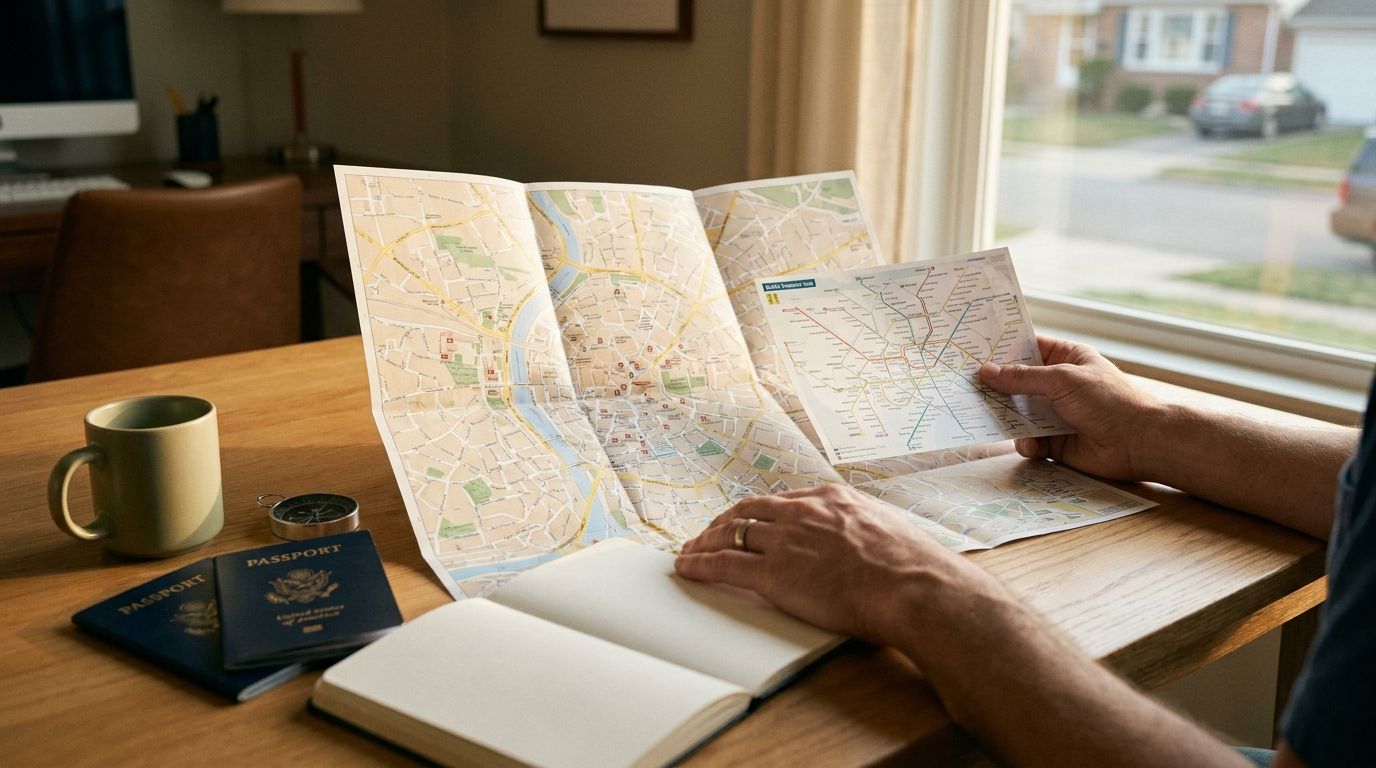
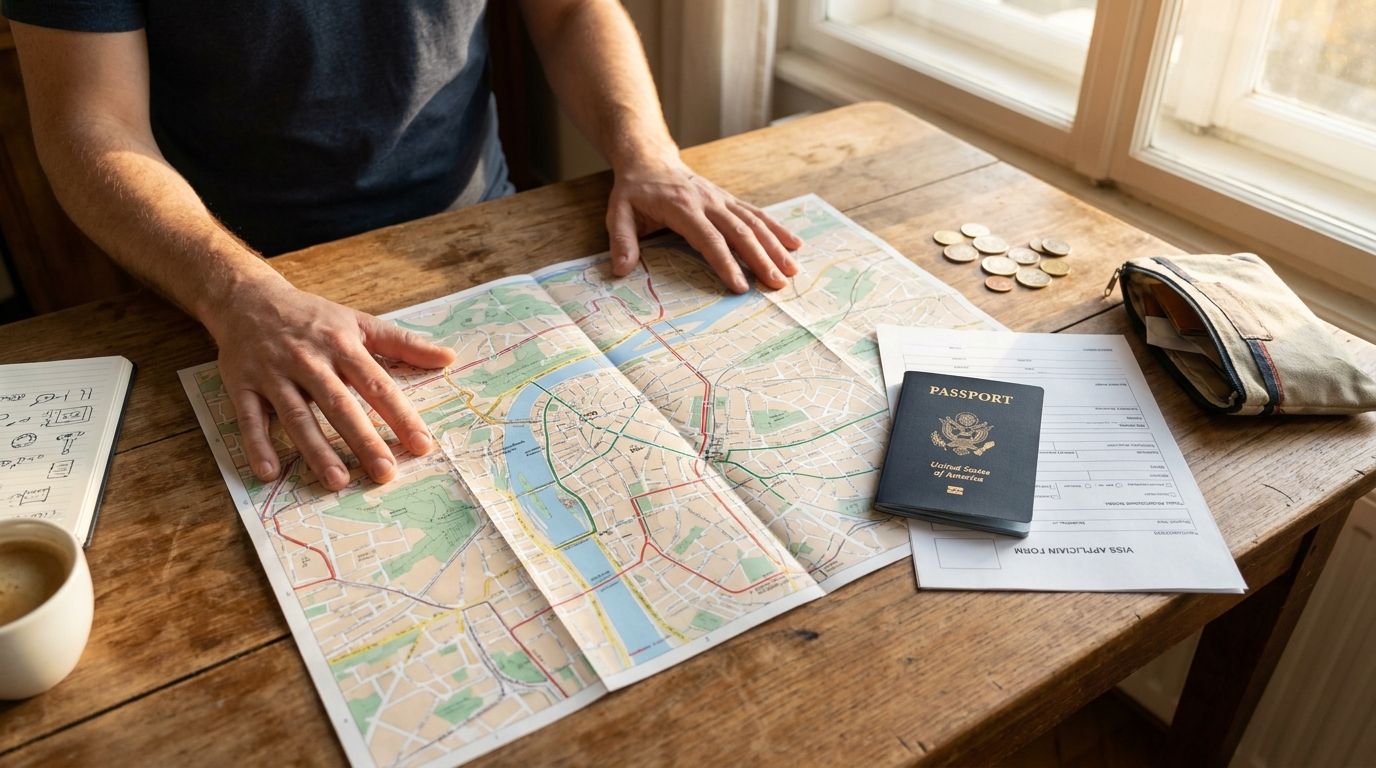
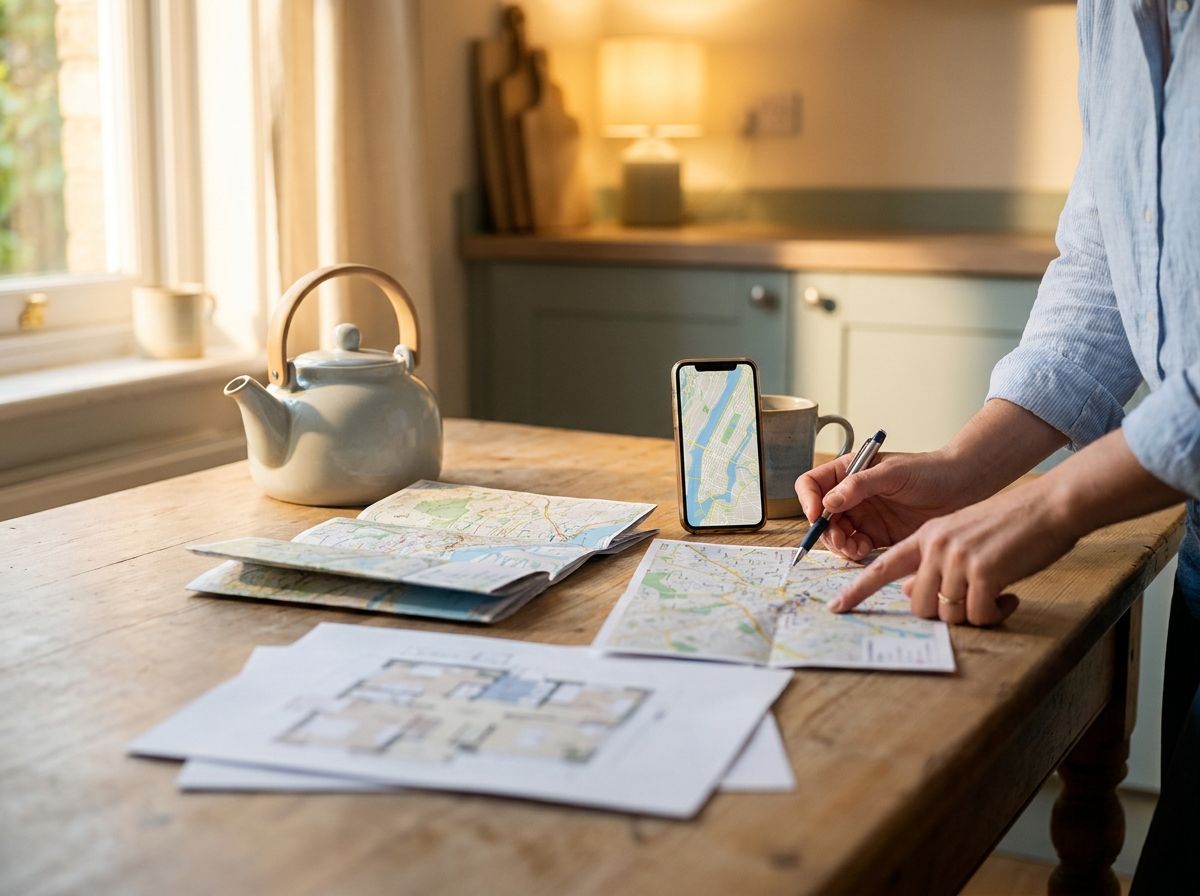
Jordan had one hand on the kettle and the other on a rental listing when Priya said, "This place looks perfect. Why does it feel like we're missing something?" They were sitting at their kitchen table in Ohio, comparing a famous capital with a smaller inland city most Americans would struggle to place on a map. The rent looked manageable. The photos showed quiet streets. The questions were harder.
The safest smaller cities abroad are not chosen by crime headlines or pretty listing photos alone. You need to check neighborhood conditions, emergency services, transport, healthcare, housing, and the parts of daily life that will shape your actual week.
Living in a small city overseas can feel calmer and more connected than life in a capital. It can also leave you with fewer hospitals, fewer English-speaking services, limited late-night transport, and a smaller community when something goes wrong. That does not make smaller cities a bad choice. It means you need a more personal safety check.
The photograph of an empty square is not a safety plan. You need to know what happens when you miss the last bus, need urgent care, cannot explain a prescription, or discover that your apartment sits beside a nightclub's closing-time crowd.
Start with your real routine, not the city's reputation
A city can be safe in broad terms and still be a poor fit for your life. If you work online, your concerns may include stable internet, power interruptions, and a quiet apartment. If you are retired, you may care more about walking to a pharmacy, reaching a clinic, and having people nearby who can help with practical tasks. A family may need safe school routes and reliable pediatric care.
Write down a normal Tuesday before you compare cities. Not your holiday Tuesday. The ordinary one with laundry, a grocery run, a work call, a prescription refill, and rain arriving at the exact moment you forgot an umbrella.
Ask yourself:
- Where will you go for groceries, medicine, and basic banking?
- How far can you walk comfortably in ten or fifteen minutes?
- What happens if you need a hospital after public transit stops?
- Will you drive, use buses, cycle, walk, or rely on taxis?
- How often do you expect to travel to a larger city?
This exercise often changes the shortlist. A town that looks peaceful from a balcony may become frustrating if every appointment requires a forty-minute car ride. A busier regional city may offer better hospitals, more direct rail service, and a larger group of English-speaking residents without the pressure and cost of a capital.
Safety also includes the emotional side of daily life. You may feel safer when neighbors recognize you, but feel isolated if you cannot communicate beyond a few phrases. You may enjoy a slower pace, then discover that government offices close early and appointments are booked weeks out. Neither experience means you made a foolish choice. It means the city has tradeoffs, like every place where actual people live.
What does city safety mean for an American abroad?
City safety includes more than violent crime. It covers road conditions, emergency response, healthcare access, scams, housing security, natural hazards, and your ability to ask for help in the local language.
The U.S. Department of State country advisory is a useful starting point, but it usually does not answer neighborhood-level questions. Pair it with local police information, municipal alerts, hospital locations, public transit data, and recent reports from residents. A travel forum can point you toward a question. It should not make the decision for you.
Check the parts of safety you cannot see in photos
Smaller cities often have lower housing costs than major capitals, though that is not guaranteed. Lower rent can come with older buildings, weak insulation, limited accessibility, or a location far from services. Before you sign anything, inspect the apartment and the route around it at different times of day.
If you are researching from the United States, ask a local contact or relocation professional to verify details you cannot see online. You can also book a short stay in the same neighborhood before making a long commitment. An extra week of lodging can be cheaper than discovering that your "quiet" street runs directly under a nightclub's exit door at 2 AM.
Use this housing and neighborhood check:
- Visit the block in daylight, after dark, and during the morning commute.
- Check the walk from the building to the nearest grocery store and transit stop.
- Look for working streetlights, maintained sidewalks, visible addresses, and secure entrances.
- Ask whether the building has heat, air conditioning, water pressure, and backup power where relevant.
- Confirm how landlords handle repairs, deposits, locks, and emergency maintenance.
- Check flood, wildfire, earthquake, extreme heat, or storm risks for that exact area.
The Federal Emergency Management Agency offers useful hazard information for the United States, but you need local government sources for conditions abroad. Search for the city's emergency office, weather service, flood maps, and evacuation guidance. If you cannot understand the information, arrange translation help. Do not skip the check because the language is difficult.
Road safety deserves more attention than it gets. The World Health Organization reports that road traffic injuries kill about 1.19 million people worldwide each year, with the greatest risk in places where roads, crossings, lighting, or driver behavior create daily hazards. You may feel comfortable walking through a quiet city and still face a dangerous six-lane road between your home and the market.
Walk your likely routes on a map. Look for crossings, sidewalks, hills, lighting, and bus stops. If you plan to drive, price insurance and learn whether your U.S. license is accepted, for how long, and under what conditions.
Test healthcare, transport, and emergency help
A smaller city does not need a large hospital on every corner. It does need a realistic plan for routine care and urgent problems. Find the nearest hospital, general practitioner, pharmacy, dentist, and specialist you may need. Then check how you would reach each one without assuming you will always have a car, a healthy body, or a fluent command of the language.
For Americans managing ongoing care, bring a written list of medications and ask whether each one is available under the same name. The U.S. Food and Drug Administration warns that medication names, strengths, and formulations can differ between countries. Your prescription may need local approval, a new doctor, or a different supply plan.
Healthcare questions belong on your city comparison sheet:
- Is there a hospital with emergency services within a practical travel time?
- Can you book primary care without an employer or local family connection?
- Are medical records available in English, your local language, or both?
- How will you pay for care before insurance reimburses you?
- What is the plan for dental, vision, mental health, and specialist care?
- Can the city support your needs if mobility, hearing, or vision changes later?
Transport can quietly decide whether a place feels safe. A city with one bus every hour may work for a healthy person who plans carefully. It may not work when the bus is late, the weather turns bad, or a family member needs urgent care. Look at schedules on a normal weekday and weekend, not only during tourist season.
Check whether taxis are licensed, whether ride-hailing works, and whether drivers accept cards. Save the local emergency number in your phone. In the European Union and several nearby countries, 112 reaches emergency services, but the number and language support can vary elsewhere. Confirm the local process before you need it.
People often focus on police response and forget fire services, ambulance coverage, women's safety after dark, and the practical ease of reporting theft. Ask residents what happens after a bicycle disappears, a wallet is stolen, or a landlord refuses to return a deposit. You are not trying to eliminate every risk. You are learning whether help is reachable and whether the system is understandable.
Compare the community you can actually build
The best small cities for American expats are not necessarily the cities with the biggest expat groups. A large American community can make the first months easier, but it can also keep you inside an English-speaking bubble. A city with fewer Americans may offer stronger local ties if you have a way to meet people and practice the language.
Look for places where you can join ordinary activities. A library, walking group, volunteer organization, religious community, sports club, language exchange, or neighborhood association may matter more than a polished expat café. You do not need to become a social butterfly. One person who can explain a utility bill is already a small victory.
Before you move, investigate:
- Local language classes that meet in person.
- Community groups that accept newcomers without requiring fluent language skills.
- Religious or cultural organizations that match your beliefs and needs.
- Activities available outside the tourist season.
- Support for older adults, parents, disabled residents, or people living alone.
- Expat groups that share practical information instead of only restaurant recommendations.
This is where safety becomes personal. If you know where to ask a question, you are less likely to accept bad housing advice, pay an inflated fee, or ignore a health concern because the process feels confusing. Social connection does not replace public services, but it can help you use them.
You also need to think about loneliness without treating it as a personal failure. Moving abroad can make ordinary tasks feel like small performances. You may spend twenty minutes rehearsing how to ask for a light bulb, then return home with the wrong size and a bruised sense of competence. (That happens to almost everyone, and nobody warns you it will.) Your early months are allowed to be awkward.
Try a short stay before deciding. Rent in the neighborhood you are considering. Shop where you would shop. Use buses. Visit a clinic. Walk home after dinner. Notice how your body feels when you are not being entertained. That feeling tells you more than a sunny weekend itinerary.
Turn research into a decision you can defend
When two cities look similar, avoid choosing the one with the most attractive photos. Build a simple comparison based on your household, your budget, and the risks you can tolerate.
Score each city from one to five for:
- Housing security and realistic monthly cost.
- Emergency and routine healthcare access.
- Transport after dark and during bad weather.
- Walkability for your actual errands.
- Language support and your willingness to learn.
- Climate and natural hazard exposure.
- Community access and likely social connection.
- Visa, tax, and residency fit.
Do not let a high total hide a deal-breaker. If you need regular specialist care, a city without that service may be wrong even if rent is low. If you cannot drive, weak transit may matter more than a lower monthly budget. If you are bringing a pet, housing rules and veterinary access belong in the decision rather than in the final week of packing.
Keep your sources dated. Transit schedules change. Rental prices change. Visa rules change. A forum post from 2022 may describe a city that no longer exists in the way you expect. SafeHavenGuide can help you compare country fit, monthly costs, visa routes, housing questions, and practical move tasks while you keep checking local sources for current city details.
A useful shortlist has at least one backup city. It also has a reason for each choice that sounds like your life, not a brochure. "The rent is cheaper" is incomplete. "The rent fits our budget, the hospital is reachable without a car, and we can get to a major airport twice a day" gives you something you can actually test.
You are allowed to choose a smaller city because you want a quieter morning. You are also allowed to reject one because the nearest specialist is two hours away. Wanting calm does not mean you have to accept inconvenience as proof of courage.
FAQ
Are smaller cities abroad safer than major cities?
Not automatically. Smaller cities may have less congestion and fewer tourist scams, but they can also have fewer hospitals, limited public transport, and slower emergency response. Compare the specific neighborhood and your daily routine instead of relying on city size.
How can I check safety before visiting a city abroad?
Review the U.S. Department of State advisory, local government alerts, hospital locations, transit routes, hazard maps, and recent local reporting. Then speak with current residents or book a short stay so you can test the neighborhood at different times of day.
What should Americans check before renting in a smaller city overseas?
Check the building's locks, utilities, heating or cooling, internet, flood or fire exposure, repair process, deposit rules, and distance to daily services. Visit the street after dark and confirm the lease terms with a qualified local professional when possible.
Is an expat community important for city safety?
It can help you find practical information and ask for support during the early months, but it should not replace local connections or official services. Look for a city where you can build a mixed community that includes neighbors, coworkers, service providers, and other newcomers.
You do not need perfect certainty before you move. You need enough information to know what you are choosing, what could go wrong, and what you would do next. Put those answers on one page, then take that page into your next conversation with your partner, family, immigration adviser, or future self. That is a much steadier place to begin than a rental listing and a hopeful guess.
Join the conversation
Subscribe to comment
Join SafeHavenGuide's newsletter to leave a comment and get new posts in your inbox.