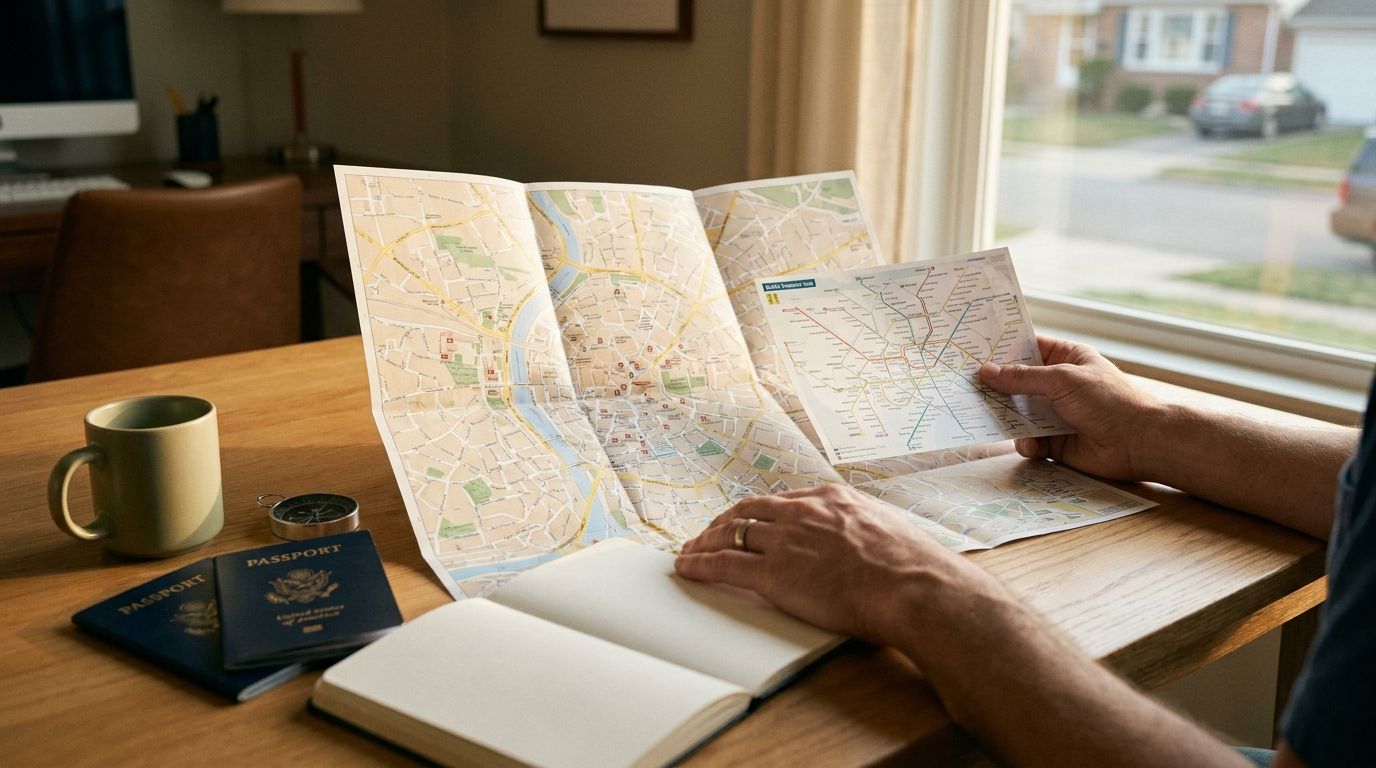
Someday: Czechia - Could walkable cities and lower-cost European living fit your plan?
Moving to Czechia from the US can mean walkable neighborhoods, reliable transit, and lower costs than some Western European capitals. Here is what to check first.
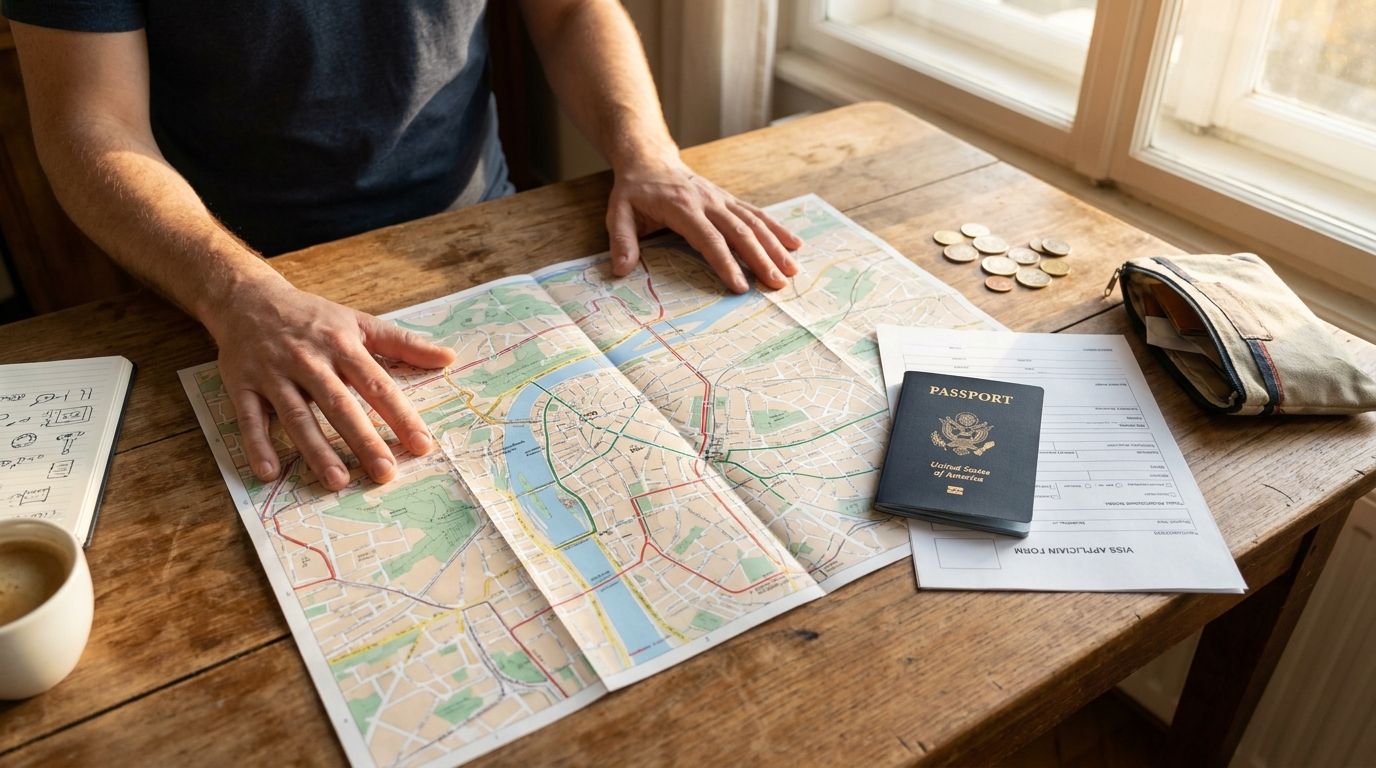
At 7:18 on a rainy Tuesday, you leave a small apartment in Brno, buy bread from the corner shop, and reach the tram stop before your coffee cools. That ordinary morning is the real case for moving to Czechia from the US: not a postcard, but a daily routine that costs less and demands less driving than your current one.
Czechia can fit Americans who want walkable cities, solid public transportation, central European access, and a monthly budget below what they'd need in Amsterdam, Paris, or most of coastal California. It's a weaker fit if you need a straightforward remote-work visa, a large English-speaking job market, or a detached house near a major city at a low rent.
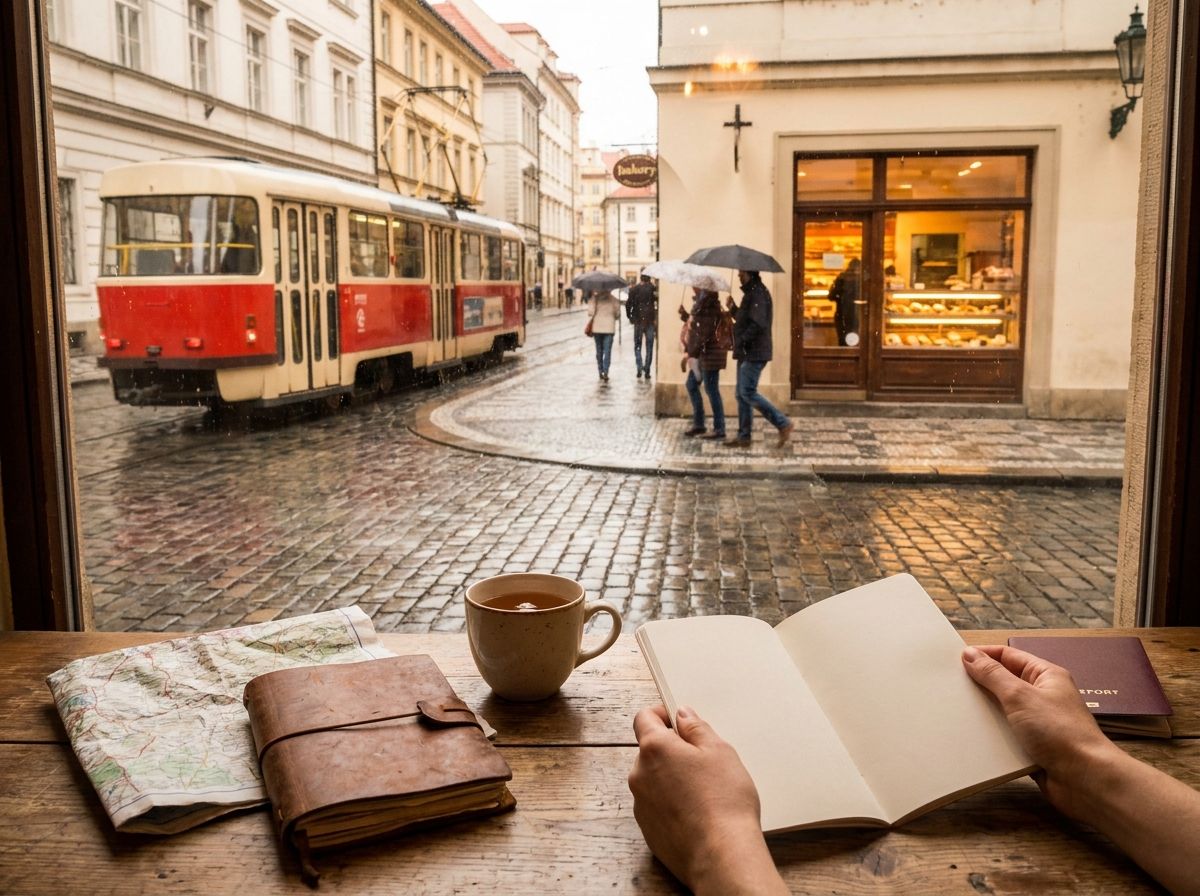
What everyday life in Czechia can look like
The first surprise may be how small your daily radius becomes. In Prague, you can live near a tram or metro line and reach a grocery store, pharmacy, cafe, and park without planning an expedition. Brno is smaller and often easier to cross on foot. Olomouc and Plzeň offer a slower pace, though the job market and English-language services are narrower.
Prague is the obvious starting point, but not the only place worth researching. A two-bedroom apartment in Prague's central districts can easily run more than 35,000 Czech koruna per month before utilities, depending on size and condition. In Brno, a similar place may cost less, but demand from students and tech workers still pushes rents up. Smaller cities can cut housing costs, yet they may require more Czech for errands, healthcare, and local administration.
Public transit is one of Czechia's genuine practical strengths. Prague's integrated system covers metro lines, trams, buses, and suburban trains. Brno uses trams, trolleybuses, and buses. A monthly Prague transit pass costs far less than the average American car payment, though fares and pass rules can change, so check the current official rate before locking in your budget.
That doesn't mean every neighborhood works without a car. Rural homes, mountain areas, and towns with thin evening service can make a vehicle useful. The better question isn't whether Czechia has transit. It's whether the specific apartment you choose sits near the lines you actually need.
Consider the difference: Daniel and Priya might love Prague's Vinohrady neighborhood because they can walk to groceries and tram to work. A family with two kids may prefer a quieter district near a school and accept a longer commute. A retiree like Susan might pick Olomouc for its compact center, then spend several weeks there before signing anything. Same country, very different moves.
Czechia cost of living: build the budget around housing
Czechia cost of living estimates only mean something when they include your actual neighborhood and household size. A single person living modestly in Brno may spend around 45,000 to 65,000 CZK per month, covering rent, utilities, food, transit, and routine personal expenses. A couple in Prague may need 65,000 to 95,000 CZK. A family with children, private schooling, frequent travel, or a central apartment can push well above that.
Those are planning ranges, not guarantees. Exchange rates shift. Rents move fast. A furnished short-stay apartment may cost significantly more than an unfurnished long-term rental, and landlords typically ask for a deposit plus the first month upfront. Agency fees can add another month's rent in some transactions.
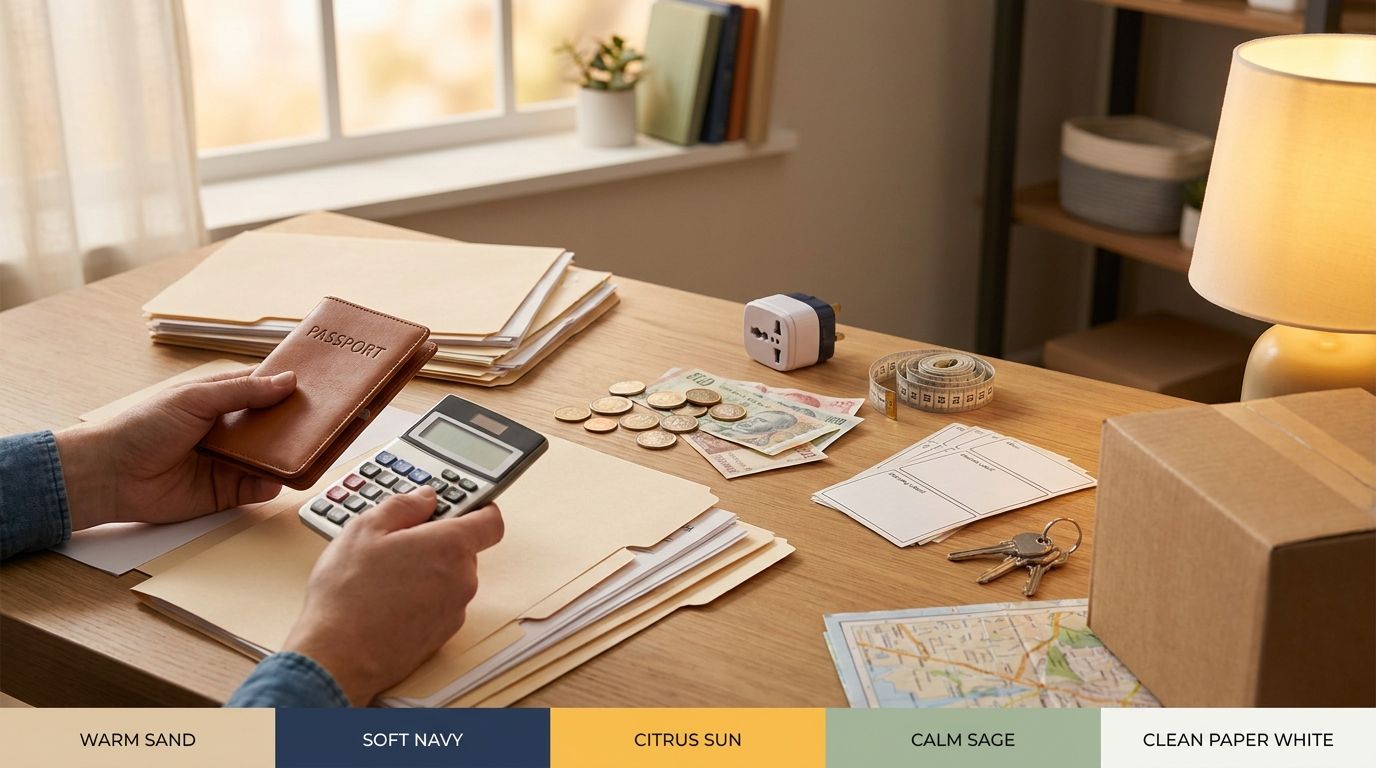
A practical monthly worksheet should include:
- Rent, building charges, electricity, gas, water, and internet
- Groceries, restaurants, household goods, and local transport
- Health insurance, prescriptions, copayments, and dental care
- Visa fees, document translation, tax help, and occasional travel
- A reserve for deposits, replacement items, and unexpected paperwork
Food can be reasonable if you shop at Czech supermarkets and local markets, but imported American brands and frequent restaurant meals change the total quickly. Prague's cafes and international restaurants may feel affordable compared with New York or San Francisco, then quietly drain a budget through sheer repetition. The sandwich is innocent. The tenth sandwich is not.
Utilities need attention too. Heating costs vary by building type, energy source, apartment size, and how brutal the winter gets. Ask for recent utility statements before signing a lease. If the landlord gives only an estimated monthly charge, treat it as a rough guess, not a fixed bill.
Healthcare costs depend on your status and insurance route. Employees generally enter the Czech public health insurance system through their employment. People on other residence paths may need comprehensive private coverage that meets immigration requirements. Price the exact policy before assuming your American insurance will carry over.
If your household earns $4,500 per month after taxes, Prague may be workable with controlled rent and limited private services. If you need a central three-bedroom apartment, international school tuition, and monthly flights back to the US, that same income may feel tight. Your budget shapes the outcome more than the country's average does.
Moving to Czechia from the US: visa options and limits
Americans can visit the Schengen Area without a short-stay visa for up to 90 days in any rolling 180-day period, for permitted tourism and business visits. That allowance doesn't let you live in Czechia indefinitely, work locally, or reset the clock by taking a weekend flight to another Schengen country.
For a longer stay, you need a Czech residence route that matches your actual purpose. Czechia visa options for Americans can include:
- An employee card for qualifying employment in Czechia
- A blue card for certain highly qualified jobs and salary levels
- A long-term study visa or residence permit
- A business or self-employment route, subject to proof and local rules
- Family reunification for eligible relatives
- A long-term visa connected to a recognized purpose, such as study or business
Czechia has also offered a digital nomad program for certain remote workers and business owners from selected countries, including the United States under stated conditions. It's not a universal answer for every freelancer. Eligibility can depend on occupation, income, business structure, education, and the Czech entity or arrangement involved. Rules change, so confirm the current criteria with the Czech Ministry of the Interior or the relevant Czech consulate.
The application usually requires more than an online form. You may need a valid passport, proof of accommodation, proof of funds, criminal record documentation, health insurance, photographs, and documents showing the purpose of your stay. US documents may need an apostille and an official Czech translation. Processing time can stretch when a document is incomplete or an appointment slot is hard to secure.
Before choosing a route, write one sentence that explains why you're moving. "I will work for a Czech employer under an employee card" is clearer than "I want to live in Europe while working online." The second sentence may describe your hope, but it doesn't identify a legal path.
Living in Czech Republic as an American: work, language, and paperwork
Living in Czech Republic as an American can be comfortable, but English doesn't remove every daily barrier. You may manage a coffee order, a central-city lease inquiry, or a visit to an international clinic in English. Local government offices, utility providers, landlords, and medical practices may work mainly in Czech, especially outside Prague.
Learning basic Czech isn't a requirement for every visa, but it can reduce your dependence on paid help and patient friends. Start with phrases for appointments, addresses, dates, payment, and document requests. Even limited language ability can make a routine office visit far less stressful. You don't need to become fluent before buying your first tram ticket.
Employment is another dividing line. Prague has international companies, technology employers, universities, tourism businesses, and shared-service centers. Brno has a strong student and tech presence. But an American remote salary doesn't automatically translate into a compliant Czech employment or tax arrangement. Your employer may need a local setup, and your residence status may limit the work you can legally perform.
Tax questions deserve early attention. US citizens generally continue filing US tax returns while abroad. Czech tax residence, income source, social insurance, health insurance, and the US-Czech tax treaty can all affect what you owe and where. A cross-border tax professional can help you avoid treating "I work online" as a complete tax plan.
Administration has a rhythm of its own. Keep digital and paper copies of your passport, birth certificate, marriage certificate, criminal record check, insurance policy, lease, and application receipts. Record expiration dates in one place. A missing apostille can derail a plan more effectively than a dramatic crisis, which is less cinematic but far more common.
American families should research schools before choosing a city. Czech public schools typically teach in Czech, while international schools can cost significantly more and may have waiting lists. A family may save on housing in a smaller city but lose those savings to private tuition or long daily commutes. (This trade-off catches more families off guard than almost anything else in the move.)
Safety, healthcare, and the parts of Czechia that need a closer look
Czechia is generally viewed as a safe European country, but country-level safety doesn't answer every neighborhood question. Check the route between your home, transit stop, school, and workplace. Visit after dark. Ask how the area feels when shops close and the streets empty out.
Prague, Brno, Ostrava, and Plzeň each have different patterns of noise, nightlife, traffic, and housing stock. A central apartment may put you close to restaurants and transit while exposing you to late-night street noise. A quiet edge district may offer more space but require a longer commute. Safety and convenience often trade places by neighborhood.
Healthcare in Czechia includes public and private providers. Residents who enter the public system can access a broad network of care, while private clinics may offer shorter waits or more English-language support. Your residence route determines what insurance you need, and your policy may have exclusions, waiting periods, or limits for certain types of care.
Before moving, put together a short medical file with prescriptions, diagnoses, vaccination records, and contact information for your current doctors. Ask whether each medication is available under the same name in Czechia. Don't assume a US prescription will be accepted without local review.
Plan for ordinary inconveniences too. Older buildings may have elevators too small for large furniture. Some apartments use shared entrances with different waste-sorting rules. Winter daylight may feel limited compared with parts of the US. Czech bureaucracy can be manageable, but it rewards people who arrive with copies, translations, and patience.
For a trial stay, rent for six to eight weeks rather than committing immediately. Test a Tuesday in Prague and a Sunday in Brno. Use public transit at rush hour. Buy groceries, visit a clinic, and check a school route. Vacation energy is a poor substitute for laundry day.
Who Czechia may fit, and who should keep comparing
Czechia may fit your plan if you want a European base with walkable urban neighborhoods, extensive transit, moderate costs outside the priciest districts, and easy access to nearby countries by train or short flight. It may suit a remote worker with a clear legal route, a retiree with predictable income and solid health coverage, or a family willing to research schools carefully.
It may fit less well if your plan depends on easy English everywhere, a large US-style house near a major city, or an uncomplicated long-term visa for remote work. It's also a poor match if your income depends on a local job but you haven't checked salary levels, language expectations, or employer sponsorship requirements.
Use these questions before adding Czechia to your shortlist:
- Can your household afford the rent you actually want, not the national average?
- Which residence route matches your work, income, study, or family situation?
- Would you accept Czech-language services outside international neighborhoods?
- Can you handle deposits, document translations, insurance, and several months of setup costs?
- Have you tested the specific city during an ordinary week?
SafeHavenGuide can help you keep this comparison current by matching your budget, family details, safety preferences, and visa fit across countries. You can start with the six-question quiz at /preview without signing up. It returns three country matches and a cost figure, giving you a starting point rather than a final decision.
The useful comparison may be between Czechia and another country that looks similar on paper. Germany may offer different work and public-service options. Slovenia may offer a smaller setting and a different housing supply. Portugal may feel easier linguistically for some Americans but brings its own housing pressures. Your best destination is the one that survives your weekday tests.
A practical path from someday to a real Czechia test
Start with a household budget in US dollars and Czech koruna. Use a conservative exchange rate, add a move-in reserve, and price health coverage separately. Then choose two cities, not one. Prague gives you the broadest access to international services, while Brno or Olomouc may reveal whether a smaller city better matches your routine.
Next, identify the legal purpose of your stay. If you have a Czech job offer, examine the employee card route. If you're studying, check your institution's residence guidance. If you work remotely, verify the current digital nomad or business rules rather than relying on a social media post from two years ago. Immigration pages age badly.
Then plan a research visit with tasks, not just attractions:
- Ride the morning transit route from a possible neighborhood
- View long-term rentals and ask about deposits, utilities, and registration
- Visit a grocery store, pharmacy, clinic, and coworking space
- Check school options or retirement healthcare needs
- Track every cost for seven days
After the visit, wait a week before deciding. Review your notes when the excitement has cooled. If Czechia still fits, download a country starter pack, gather your civil documents, and build a deadline list for your chosen residence route.
The next action is small: open a budget sheet tonight and enter your target rent, health coverage estimate, transport costs, and required monthly income. Then take the free SafeHavenGuide quiz at /preview and compare Czechia with the other two countries it returns. A someday move becomes useful when it gives you numbers, dates, and a reason to keep going.
FAQ
Is Czechia affordable for Americans?
Czechia can be less expensive than many major cities in Western Europe and the United States, especially outside central Prague. Housing is the largest variable, so compare actual rent, utilities, insurance, and household needs rather than relying on a national average.
Can Americans move to Czechia and work remotely?
Americans need a residence route that permits the planned activity. A 90-day visa-free visit doesn't authorize ordinary local employment or indefinite remote living. Czechia may offer a digital nomad or business-related route for some applicants, but eligibility and conditions must be checked against current official rules.
What are the main Czechia visa options for Americans?
Common routes include employee cards, blue cards, study residence, business or self-employment routes, family reunification, and certain long-term visas tied to a recognized purpose. The correct route depends on your job, income, education, family situation, and intended length of stay.
Is Prague the best city for an American moving to Czechia?
Prague has the widest range of international employers, English-language services, transit connections, and private healthcare. Brno, Olomouc, and Plzeň may offer a different pace and lower housing costs, but expect a narrower job market and more need for Czech.
Do Americans still pay US taxes after moving to Czechia?
US citizens generally continue filing US tax returns after moving abroad. Czech tax residence, income source, social insurance, and treaty rules can all affect your total obligations, so get advice from a professional who handles both US and Czech tax matters.
Join the conversation
Subscribe to comment
Join SafeHavenGuide's newsletter to leave a comment and get new posts in your inbox.