Someday Croatia: could coastal living fit your realistic relocation budget?
Croatia’s coast is beautiful, but a realistic move to Croatia from the US depends on rent, seasonality, income, visas, and your preferred pace of life.
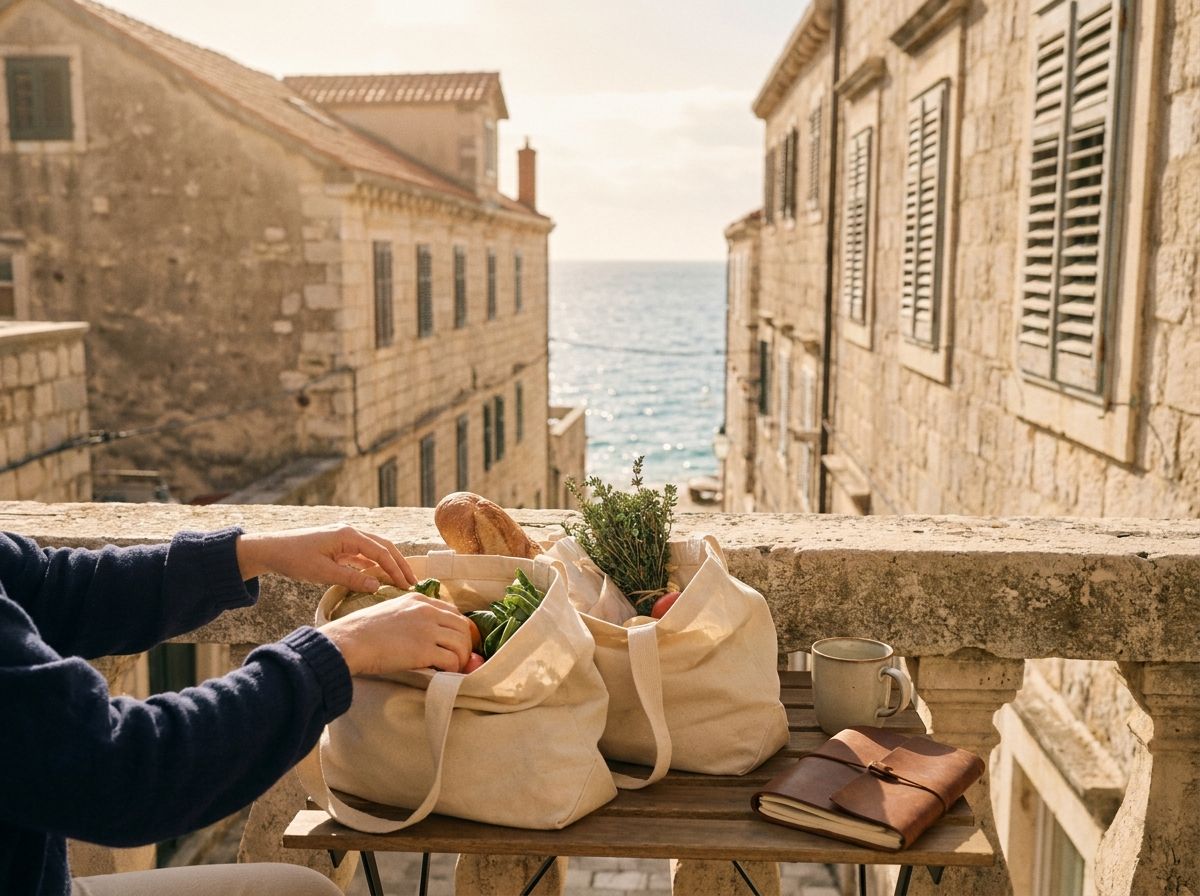
At 8:10 on a Tuesday morning, you are carrying groceries up a stone stairway in Split while a scooter squeezes past your rental doorway. The sea is five minutes away, but your monthly rent is much closer to a US city than your vacation memories suggested.
A move to Croatia from the US can fit a realistic budget, especially if you choose a smaller coastal city, earn income from abroad, and plan for seasonal rent changes. Croatia is not uniformly cheap, and coastal living in Split, Dubrovnik, or Rovinj can cost far more than life in inland towns.
The real question is not whether Croatia looks affordable in a travel video. It is whether your household can cover housing, health coverage, transportation, taxes, and the slow months when summer prices have vanished but winter services may be thin.
What the cost of living in Croatia looks like in practice
Your monthly budget depends more on housing and income than on the price of coffee. A single person renting outside the historic center may manage on roughly €1,500 to €2,100 per month. A couple may need €2,200 to €3,200. A family renting a larger home and paying for private schooling or frequent travel may spend €3,500 to €5,000 or more.
These are planning ranges, not official price promises. The Croatian Bureau of Statistics tracks household spending and inflation, while Eurostat allows comparisons across European countries. Those sources are useful for broad patterns, but neither one knows whether you want a sea view, imported peanut butter, private medical care, or a three-bedroom apartment with parking.
A workable coastal budget usually includes:
- Rent: €700 to €1,600 for a modest one-bedroom or two-bedroom home, with higher figures in prime coastal areas.
- Utilities and internet: €150 to €300, with winter heating and summer air conditioning affecting the total.
- Groceries and household items: €300 to €700, depending on household size and imported goods.
- Local transportation: €40 to €150 if you use buses, walking, or a small car sparingly.
- Health coverage, prescriptions, and routine care: a separate monthly line that depends on your visa and insurance plan.
- Travel back to the United States: a sinking fund rather than an occasional surprise expense.
Take Daniel and Priya. They could live in Zadar on €2,700 per month if they rent a simple two-bedroom apartment outside the old town, cook most meals, and keep one small car. That same couple could spend €3,800 in Split if they rent near the water and fly back to Chicago twice a year.
The budget becomes less forgiving when your income is in dollars. A shift in the euro-dollar exchange rate can alter your rent and savings plan without changing a single local price. Keep a reserve in euros, and build your budget around the higher end of your estimate for at least six months.
Coastal rent is the decision that changes everything
Croatia's coast is not one housing market. Split, Dubrovnik, Zadar, Šibenik, Rijeka, Pula, and smaller islands each have different rents, transport links, job options, and winter rhythms.
Tourist demand creates a sharp seasonal divide. A landlord may prefer a short summer rental that earns more than a year-long lease, which can make a furnished apartment easy to find in November and nearly impossible to lock down for twelve months by May. You may also see a low advertised price that quietly excludes utilities, cleaning fees, building charges, or a separate summer rate.
Before you sign anything, ask for:
- A written lease with the exact rental period.
- The deposit amount and conditions for its return.
- A clear list of included utilities and internet service.
- Permission to register your address if your residence process requires it.
- The landlord's plan for the apartment during tourist season.
- The procedure for repairs, inspections, and early termination.
A €900 apartment in central Split can be a poor bargain if the landlord asks you to leave in June. A €750 apartment in Zadar may work better if it gives you a full-year lease, storage, and a bus route to daily errands. You are buying stability as much as square footage.
Rovinj and Dubrovnik can be particularly difficult for long-term renters because tourism occupies a large share of available housing. Rijeka and Pula may give you more year-round options, though each has its own weather, work, and transport tradeoffs. Inland Zagreb may offer more services and rentals, but it does not provide the coastal routine you may be picturing.
Spend time in your preferred town outside July and August. Walk to a grocery store. Check the bus schedule. Look at the same rental listings twice, once in winter and once before summer. Your dream address needs to function on a wet Wednesday, not only during a sunset dinner.
A move to Croatia from the US needs an income and visa plan
Croatia is in the European Union and uses the euro. It joined the Schengen Area in January 2023, which affects travel across much of Europe but does not give an American the right to live or work there indefinitely.
Americans can generally visit the Schengen Area for up to 90 days in any 180-day period for permitted short stays. A longer relocation requires a residence route that fits your specific circumstances. Possible paths include employment, family reunification, study, property-related circumstances in limited situations, or Croatia's digital nomad temporary stay for eligible remote workers.
Rules change, and the details matter. Check the Croatian Ministry of the Interior and the Croatian embassy or consulate serving your US residence before making nonrefundable plans. A tourist stay is not a relocation strategy, even if you have visited Croatia several times.
Your planning file should answer these questions:
- What legal basis lets you stay beyond the short-stay limit?
- Can you work for your employer or clients from Croatia under that route?
- What income, savings, insurance, housing, and background documents must you show?
- Which documents need an apostille, certified translation, or notarization?
- How will you report income to Croatia and the United States?
Remote work creates extra tax questions. Your US employer may not be able to place you abroad simply because your manager says it is fine. Croatian tax residence can depend on time spent in the country and other facts, while US citizens generally continue to file US tax returns after moving overseas.
Do not treat a visa threshold as your full budget. If an application asks you to prove a certain income, you still need money for deposits, flights, furniture, legal help, translation, and a slow start. SafeHavenGuide's country matching system can help you compare visa fit with monthly costs, but official Croatian authorities decide whether your application qualifies.
Healthcare, transport, and family costs deserve their own lines
A low rent does not make a relocation affordable if you need a car, private medical care, or frequent flights. Croatia has public healthcare, but your access and payment obligations depend on your residence status and enrollment. Private insurance can help with access and convenience, yet policies vary by age, pre-existing conditions, exclusions, and residency requirements.
Ask your current doctors for copies of medical records and prescriptions before leaving the United States. Learn the Croatian names for your medications, because brand names may differ. If you take a controlled medication, check import rules before packing a year's supply into a suitcase and hoping customs appreciates your optimism.
Transport varies by town. In central Split, you may walk for many errands and use local buses. On an island or in a smaller village, a car becomes necessary for medical appointments, winter shopping, and airport trips. Car ownership adds insurance, registration, fuel, maintenance, parking, and possible import costs. That list gets long fast.
Families need to price education rather than assume public school will be simple. Public schools teach in Croatian, and international schools are limited and expensive compared with local options. Your child's age, language ability, intended length of stay, and target school all shape the decision.
A household with one child should estimate:
- School fees or language support.
- After-school care and activities.
- Dental and vision expenses.
- Larger housing and higher utility use.
- Flights to visit relatives in the United States.
- Childcare during school breaks.
Sofia and Marcus may enjoy Zadar's walkable center, but their budget needs room for a car if they choose a village twenty minutes inland. A retiree may prefer Rijeka's hospital access over a postcard-perfect island with limited winter transport. The best location is the one that supports your ordinary obligations.
Croatia expat life has a slower side and a seasonal side
Croatia expat life can feel social and relaxed, but it is not an endless holiday. You may spend mornings at a café, then spend an afternoon waiting for a repair appointment, learning a new banking process, or translating a letter from a government office.
English is common in tourist areas and among younger residents, but it cannot replace Croatian for every practical task. Learning basic phrases makes apartment repairs, pharmacy visits, and conversations with neighbors easier. You do not need fluent Croatian on day one. You do need a plan to move beyond ordering coffee.
The coast changes sharply with the calendar. Summer brings full restaurants, ferry demand, traffic, and noise. Winter brings quiet streets, fewer open businesses, shorter ferry schedules, and weather that can make an unheated stone apartment feel like a refrigerator with better architecture.
Before choosing a town, test your normal week:
- Can you buy groceries without driving?
- Is your preferred doctor reachable in winter?
- Can you meet people outside tourist businesses?
- Does the internet support your work calls?
- Can you reach an airport or major bus station affordably?
- Will you enjoy the town after visitors leave?
You may find community through language classes, coworking spaces, local clubs, religious groups, parent networks, or neighborhood events. Approach those connections with patience. Expat groups can help you understand rentals and paperwork, but they are not a substitute for current legal advice or a real relationship with local neighbors.
This is where a short trial stay helps. Spend six to eight weeks in your intended town during an ordinary season, not the waterfront hotel district. Track every purchase. Notice what frustrates you after the novelty wears off.
Build the relocation budget beyond the monthly number
Your monthly estimate is only one part of a Croatia relocation budget. The move itself may include flights, excess baggage, pet transport, document fees, certified translations, apostilles, deposits, temporary housing, legal advice, shipping, and replacement household goods.
A couple moving from Denver to Zadar might spend several thousand dollars before paying the first full month's rent. A family moving from Boston to Rijeka may spend more if it ships furniture, brings a pet, or needs short-term accommodation while searching for a lease. Price those items before deciding whether your monthly income works.
Create three budgets:
- A lean month that covers rent, food, utilities, transport, and required insurance.
- A normal month that includes eating out, hobbies, clothing, local trips, and household replacements.
- A difficult month with a medical bill, flight home, car repair, or delayed income.
Then create a move fund with separate categories for:
- Visa and document preparation.
- Travel and temporary housing.
- Rental deposit and initial furnishing.
- Health and medication costs.
- Emergency cash.
- Tax and professional advice.
Use real prices from current rental listings, grocery receipts, insurance quotes, and transport schedules. A spreadsheet is enough. Mine once had six tabs and still forgot the coat rack, so leave room for ordinary mistakes.
SafeHavenGuide members can compare a household profile against country costs, visa routes, housing guidance, flight planning, and a move checklist. You can also take the free six-question country match quiz at /preview without signing up. It returns three country matches with a cost figure, which can help you test whether Croatia still belongs on your shortlist.
Use a Croatia test before you call it a plan
A good relocation plan has a decision date and a reason to stop. You might decide that Croatia works if you secure a twelve-month lease under €1,100, confirm a legal income route, and keep twelve months of living expenses after the move. Or you might decide that the coast is too seasonal and shift your search toward Zagreb, Rijeka, or another country entirely.
Set a 90-day research window. During that time, complete specific tasks rather than collecting beautiful photos:
- Choose two coastal towns and one inland comparison.
- Request current rental terms from several landlords or agencies.
- Confirm your residence route with official sources.
- Ask your employer or tax adviser about cross-border work.
- Price private insurance and regular prescriptions.
- Build a budget using euros and a conservative exchange rate.
- Book a trial stay outside peak tourist season if possible.
For a realistic relocation, your test should include a normal workday. Open a bank account if legally possible. Take public transport. Cook with local groceries. Call a clinic. Try to solve one small administrative problem without retreating to an English-speaking travel forum.
The result may be yes, no, or not yet. All three are useful. Croatia may fit your budget only in a town you had not considered, or only after your income, lease, and visa plan are settled.
FAQ
How much money do I need to move to Croatia from the US?
A single person may plan on roughly €1,500 to €2,100 per month outside the most expensive coastal areas. A couple may need €2,200 to €3,200, while families often need €3,500 or more. Keep a separate move fund for deposits, flights, documents, temporary housing, and emergencies.
Is Croatia cheaper than the United States?
Some daily expenses can be lower, especially local transit, casual dining, and certain services. Housing in popular coastal cities can narrow or erase that gap, especially during tourist season. Compare the exact town, rental type, health costs, and income taxes rather than relying on country averages.
Can Americans retire in Croatia?
Americans need a residence route that matches their circumstances, and retirement income alone does not create an automatic right to live in Croatia. Confirm current requirements with Croatian authorities before applying. You should also plan for insurance, medical access, taxes, and proof of funds.
Is Croatia good for remote workers?
Croatia may suit eligible remote workers who can document income, insurance, housing, and other requirements for the applicable temporary stay route. Your US employer, clients, and tax adviser should confirm that working from Croatia is permitted and handled correctly. A digital nomad option is not a universal solution for every remote worker.
Which Croatian coastal city is most affordable?
No city is always cheapest because rents shift by season, neighborhood, and lease length. Zadar, Rijeka, Pula, and Šibenik may offer more year-round options than the most tourist-heavy parts of Dubrovnik or central Split. Compare actual twelve-month rents, transport, healthcare access, and winter services before choosing.
Open a spreadsheet today and price two Croatian towns against your current household budget. Then take the free SafeHavenGuide quiz at /preview, compare Croatia with two alternatives, and give yourself a deadline for deciding whether this is a destination, a trial stay, or simply a someday idea worth keeping.
Join the conversation
Subscribe to comment
Join SafeHavenGuide's newsletter to leave a comment and get new posts in your inbox.